
Dubai / Tehran | April 10, 2026
As global attention remains fixed on oil flows and shipping routes, a quieter but potentially more critical vulnerability is emerging across the Gulf: water security.
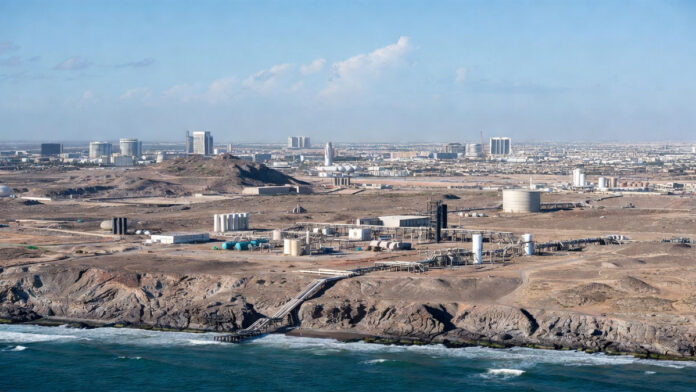
Experts warn that rising regional tensions are drawing attention to the heavy dependence of Gulf nations on desalination—systems that convert seawater into drinking water and sustain millions of people daily.
A Critical Dependence on Desalination
Countries such as United Arab Emirates, Saudi Arabia, and other Gulf states rely heavily on desalination plants for freshwater supply.
These systems typically:
- Operate continuously with limited storage capacity
- Require stable energy and infrastructure support
- Have few immediate backup alternatives in case of disruption
This structural dependence makes water systems a critical component of national resilience.
Infrastructure Concerns Grow
While there have been no confirmed large-scale disruptions, analysts note increasing concern about the vulnerability of essential infrastructure during periods of heightened conflict.
Unlike oil markets—which can absorb shocks over time—water supply disruptions could have rapid and widespread humanitarian impacts, particularly in arid regions.
Strategic Imbalance in the Region
The Gulf’s reliance on desalination contrasts with conditions in Iran, where water sourcing is more diversified, though still under stress.
This difference has led some analysts to highlight a potential asymmetry in infrastructure exposure, though experts caution that all sides face environmental and logistical challenges.
Why Water Security Matters Now
- Supports daily life for millions across the Gulf
- Limited redundancy increases systemic risk
- Infrastructure resilience is key in prolonged tensions
- Expands focus beyond energy to essential resources
A Shift in Strategic Thinking
The evolving discussion around water security reflects a broader shift in how modern conflicts are assessed—moving beyond traditional energy concerns to include critical civilian infrastructure.
For policymakers and analysts alike, the focus is increasingly on resilience, protection, and contingency planning, rather than immediate disruption scenarios.