New Delhi, India – March 20, 2026
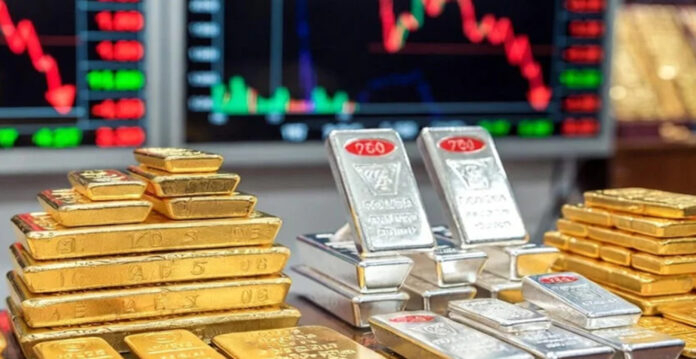
Gold Price Crash: India’s bullion market is witnessing unusual pressure amid ongoing geopolitical tensions, with gold and silver prices recording sharp declines—defying their traditional safe-haven trend during conflicts.
According to the latest market data, gold has fallen by nearly ₹11,208 per 10 grams, while silver has plunged by ₹38,027 per kilogram since the onset of the conflict.
Sharp Fall Continues in Latest Trading Session
The downtrend persisted on Thursday as well.
24-carat gold dropped by ₹6,990, bringing the price down to ₹1,47,889 per 10 grams.
Meanwhile, silver prices fell by ₹20,034, settling at ₹2,29,873 per kilogram.
IBJA Data Signals Unusual Market Trend
Data from the Indian Bullion and Jewellers Association (IBJA) shows that on February 27, 2026, gold was priced at ₹1,59,097 per 10 grams, while silver stood at ₹2,67,900 per kilogram.
However, following the outbreak of the conflict the next day, both metals entered a sustained downward trend—highlighting a significant shift from historical patterns where gold typically rises during global uncertainty.
Why Gold Is Losing Its Shine
Market analysts point to multiple factors behind the unexpected decline:
Higher trading margins have made speculative activity more expensive, reducing market participation
Investors are selling gold to offset losses in equity markets
After record highs, fresh buying demand has weakened, cooling the market
A strong US dollar has reduced international demand for gold
Changing investor sentiment has triggered increased liquidation and cash withdrawals
Market Behavior Defies Safe-Haven Norm
Traditionally, gold is considered a safe-haven asset during geopolitical instability. However, the current trend suggests a shift in investor strategy, with liquidity needs and global financial pressures outweighing conventional market behavior.