New Delhi, India — May 22, 2026
India’s pharmaceutical industry, one of the world’s largest suppliers of affordable generic medicines, is facing growing pressure as escalating tensions between Iran and the United States threaten global supply chains, raw material imports, and transportation costs.
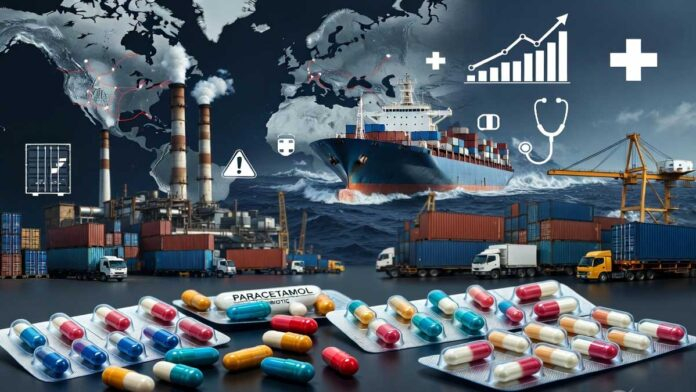
Industry experts warn that the prolonged conflict in West Asia could severely disrupt the supply of essential pharmaceutical ingredients used to manufacture commonly consumed medicines such as Paracetamol, antibiotics, diabetes drugs, and blood pressure medicines.
The crisis could lead to higher medicine prices, delays in production, and possible shortages in both domestic and international markets.
According to industry bodies including Pharmexcil, continued instability in the Gulf region may have serious consequences for India’s $50 billion pharmaceutical industry, which supplies generic medicines to nearly 200 countries worldwide.
India currently accounts for nearly 20% of the global generic medicine supply, making it a critical healthcare provider for many developing nations across Africa, Asia, and Latin America that rely heavily on affordable Indian drugs.
However, the sector’s biggest vulnerability remains its dependence on imported Active Pharmaceutical Ingredients (APIs), particularly from China.
Government and industry estimates show that India imported pharmaceutical raw materials worth approximately ₹39,215 crore in 2025, with nearly 70% to 75% sourced from China alone.
Experts say disruptions in major shipping routes, especially around the Strait of Hormuz and Gulf waters, could significantly impact the transportation of critical raw materials required for drug manufacturing.
Logistics and shipping companies have also raised concerns over rising freight charges, rerouted cargo shipments, insurance costs, and extended delivery timelines due to increased security risks in the region.
The first medicines likely to be affected are widely used daily healthcare products including paracetamol, antibiotics, hypertension drugs, and diabetes treatments, as many of these depend heavily on imported APIs.
Industry officials further warned that temperature-sensitive products such as cancer medicines, vaccines, and injectable drugs may face additional logistical challenges because they require controlled cold-chain transportation systems.
Any delay or disruption in refrigerated shipping routes could increase production costs substantially and impact global medicine availability.
The concerns come amid broader fears that geopolitical tensions are beginning to affect global trade, energy markets, inflation, and healthcare supply systems simultaneously.
Analysts say prolonged instability in West Asia could force pharmaceutical companies to reconsider sourcing strategies, diversify supply chains, and accelerate domestic API manufacturing under India’s self-reliance initiatives.
For now, healthcare experts are urging authorities and pharmaceutical manufacturers to closely monitor inventory levels and strengthen contingency planning to prevent disruptions in essential medicine supplies.