New Delhi, India | January 18, 2026
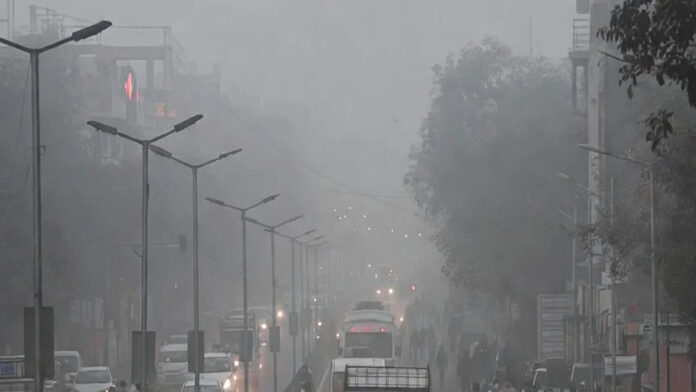
Delhi has imposed a ban on non-essential truck entry following a sharp decline in air quality, with the Air Quality Index (AQI) slipping into the ‘severe’ category on the evening of January 17. The Commission for Air Quality Management (CAQM) announced that the restrictions took effect on January 18, aiming to reduce vehicular emissions as winter pollution worsens across the capital.
Essential Trucks Exempted
The ban excludes vehicles transporting essential commodities or providing critical services, ensuring that supply chains for food, medicine, and emergency utilities remain uninterrupted.
Officials said the decision was prompted by stagnant wind patterns, dense smog, and rising PM2.5 concentrations linked to winter weather, traffic volume, and regional pollution sources.
GRAP Stage III/IV Restrictions Likely
Authorities are considering activating GRAP Stage III or Stage IV measures—some of the strictest pollution-control actions used in the NCR—which may include:
Halting construction activities
Restricting diesel vehicle operations
Closing certain industrial units
Enhanced road dust suppression operations
Delhi’s AQI crossed hazardous thresholds, prompting health advisories urging residents to limit outdoor exposure, especially children, elderly individuals, and those with respiratory illnesses.
Past Bans Show Temporary Improvement
Similar entry bans in previous years resulted in short-term reductions in PM2.5 levels, though experts say sustained improvement requires broader structural reforms.
Environmentalists Cite Multi-Source Pollution
Environmental groups point to a combination of factors that routinely push Delhi’s winter air to crisis levels:
Stubble burning in neighboring states
Construction dust
Industrial emissions
Vehicular traffic congestion
They note that while emergency bans help stabilize conditions temporarily, lasting solutions must address year-round emissions and regional cooperation across state borders.
Delhi continues to grapple with its chronic pollution challenges, with authorities urging residents to exercise caution until air quality improves.