New Delhi, India — February 26, 2026
India’s main opposition party, the Indian National Congress, has sharply criticized Prime Minister Narendra Modi over his recent address to Israel’s Parliament, the Knesset, calling it an “open defense” of Israeli Prime Minister Benjamin Netanyahu.
The party argued that India’s traditional foreign policy has historically maintained a balanced and multi-aligned approach, emphasizing empathy for both Jewish and Arab communities and advocating peaceful solutions in West Asia.
What PM Modi Said in the Knesset
During his address, Modi described the Gaza peace initiative as a pathway toward “just and lasting peace” in the region. He strongly condemned terrorism and expressed condolences for those killed in the October 7, 2023 attack by Hamas.
The Prime Minister stated that India stands firmly with Israel and reiterated that the killing of civilians or acts of terrorism cannot be justified under any circumstances.
Congress Response and Historical Reference
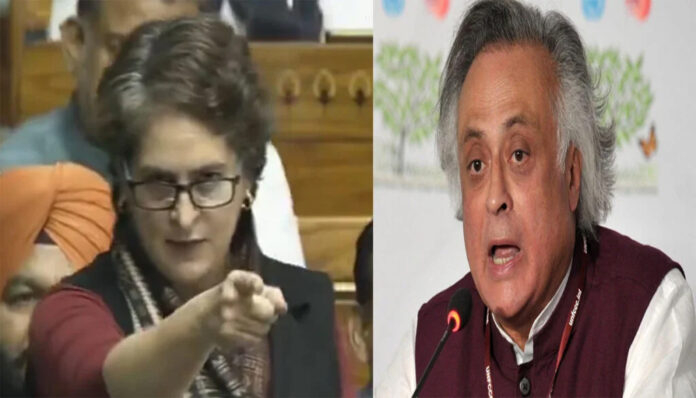
Reacting to the speech, Congress General Secretary (Communications) Jairam Ramesh said the Prime Minister failed to adequately reflect India’s historically balanced diplomatic tradition.
Ramesh referenced correspondence between India’s first Prime Minister, Jawaharlal Nehru, and renowned physicist Albert Einstein in July 1947.
According to Ramesh, Nehru acknowledged in his response to Einstein that he felt equal sympathy for both Jews and Arabs and recognized the deep emotions tied to the Palestine issue. Nehru reportedly wrote that a durable solution would require both sides to be willing to reach a broadly acceptable settlement.
Ramesh further noted that Nehru had said he had studied the Palestine question carefully but did not consider himself in a position to offer a definitive opinion at the time. While appreciating the achievements of the Jewish people, Nehru questioned why mutual trust with Arab communities had not been secured despite significant progress.
Nehru also emphasized that responsibility for the conflict could not be attributed solely to one side and observed that prolonged British rule in Palestine had been a major complicating factor.
Broader Foreign Policy Debate
The Congress statement underscores a broader domestic political debate over India’s evolving foreign policy stance in West Asia. While the current government has deepened strategic, defense, and technological cooperation with Israel in recent years, opposition leaders argue that India’s traditional diplomatic posture sought balance between Israel and Arab nations.
The government has not yet issued a detailed response to Congress’ remarks.