Mumbai, India — April 18, 2026
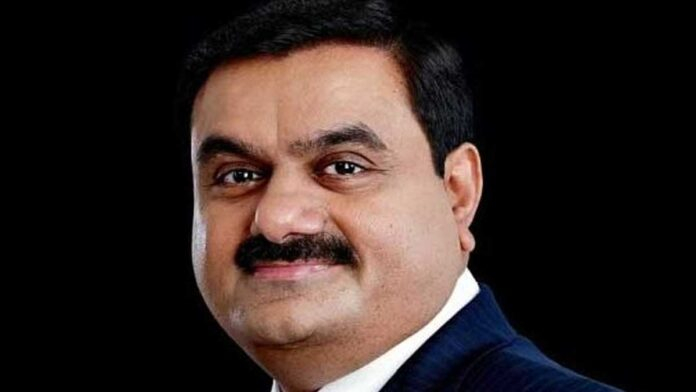
Gautam Adani-led Adani Properties has taken over the massive redevelopment of Motilal Nagar in Goregaon (West), Mumbai, with an estimated investment of ₹1,00,000 crore ($10 billion+).
The ambitious project is being described as India’s second-largest residential redevelopment initiative after Dharavi, signaling a major transformation in Mumbai’s urban housing landscape.
Decades-Old Redevelopment Wait Nears End
The redevelopment, guided by MHADA, will cover Motilal Nagar phases 1, 2, and 3—an area originally developed in the 1960s.
Residents, who have waited over two decades for modernization, are now set to see the area transformed into a world-class smart township within the next 10 years.
Mega Construction Plan: Area Distribution
The project will utilize approximately 2.88 million square meters of Floor Space Index (FSI).
📊 Project Area Breakdown
| Category | Area (Approx) |
|---|---|
| Sale Component (Adani Properties) | 1.89 million sq. m |
| Rehab + MHADA Allocation | 1.0 million sq. m |
Housing Benefits: Larger, Modern Homes for Residents
One of the standout features of the redevelopment is the significant increase in housing size:
- 3,702 families will receive apartments of around 1,600 sq. ft
- 1,600 slum residents will be allotted homes exceeding 300 sq. ft
- 328 shop owners will get commercial spaces of ~987 sq. ft
This marks a notable upgrade compared to typical Mumbai redevelopment projects, where unit sizes are often smaller.
Smart, Green, and Future-Ready Township
The township is being designed with a focus on sustainability and modern infrastructure:
Key Features:
- Green Spaces: 15 acres dedicated to parks and open areas
- Infrastructure: Schools, super-specialty hospitals, modern markets
- Parking: Multi-level parking systems
- Technology: Solar power integration, advanced fire safety systems
- Drainage: Smart flood-prevention and water management systems
What This Means for Mumbai
The Motilal Nagar redevelopment is expected to reshape suburban Mumbai’s real estate ecosystem, offering improved living standards while unlocking significant economic value.
It also reflects a broader push toward large-scale urban renewal projects aimed at addressing housing shortages and infrastructure challenges in India’s financial capital.