NEW DELHI, INDIA | June 14, 2026
100% Ethanol Fuel is set to receive formal legal recognition in India after Union Road Transport and Highways Minister Nitin Gadkari announced that he has approved the regulatory file required to establish the legal framework for its use.
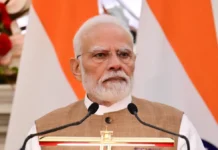
The announcement marks a significant milestone in India’s efforts to reduce dependence on imported fossil fuels and promote cleaner, domestically produced alternative fuels. Speaking at a press conference marking 12 years of governance under Prime Minister Narendra Modi, Gadkari said he signed the file necessary to provide legal backing for 100% ethanol fuel on Friday evening.
According to the minister, the move represents an important step toward achieving energy security while lowering India’s massive petroleum import bill.
Reducing India’s Fuel Import Dependence
Gadkari emphasized that India currently spends enormous sums on importing petroleum products and believes ethanol can emerge as a practical and sustainable alternative.
He noted that India’s annual fuel import burden remains substantial, and expanding the use of ethanol-based fuels could help reduce reliance on overseas energy supplies. The government has consistently promoted ethanol blending and alternative fuel technologies as part of a broader strategy to strengthen domestic energy production and improve environmental sustainability.
The minister said that increasing ethanol usage would support India’s long-term objective of reducing fossil fuel imports while creating new opportunities for the agricultural and biofuel sectors.
Flex-Fuel Vehicles Gaining Momentum
The announcement comes shortly after the launch of a flex-fuel version of the Maruti Suzuki WagonR capable of operating on 100% ethanol.
Gadkari highlighted the launch as a major achievement in India’s transition toward alternative fuels and said more vehicle manufacturers are preparing to introduce similar models in the near future.
According to the minister, flex-fuel technology is expected to expand rapidly beyond passenger cars and into the two-wheeler segment, which represents one of India’s largest vehicle markets.
Two-Wheelers Expected to Join Ethanol Revolution
Gadkari revealed that several motorcycle manufacturers are already developing or launching ethanol-compatible models.
He pointed to initiatives by Hero MotoCorp, noting that multiple motorcycles capable of running entirely on ethanol have already entered the market.
The minister expressed confidence that ethanol-powered motorcycles would gain wider acceptance as technology improves and supporting regulations are finalized.
Industry observers believe widespread adoption of ethanol-powered two-wheelers could significantly reduce fuel consumption and emissions in one of the world’s largest two-wheeler markets.
Major Automakers Preparing New Launches
Gadkari also announced that several leading automobile companies are preparing to introduce vehicles designed to operate on 100% ethanol.
According to him, manufacturers including Toyota, Suzuki, and Hyundai Motor Company are expected to launch fully ethanol-powered vehicles within the coming months.
The anticipated launches are viewed as a significant indicator of growing industry confidence in ethanol-based transportation solutions.
Addressing Misconceptions About Ethanol Fuel
During the press conference, Gadkari also discussed challenges faced while promoting ethanol as an alternative fuel source.
He stated that misinformation campaigns had often created confusion regarding ethanol’s impact on vehicle performance and reliability.
Recalling an incident, the minister described how a vehicle owner incorrectly blamed ethanol for mechanical issues in a diesel-powered vehicle. Gadkari noted that ethanol is not used in diesel fuel, illustrating how misunderstandings have sometimes influenced public perceptions.
He emphasized that advances in automotive engineering and fuel technology have made ethanol a viable alternative for many vehicle categories.
India’s Green Mobility Vision
The government’s ethanol strategy forms part of a broader green mobility agenda focused on reducing emissions, encouraging cleaner transportation, and strengthening domestic energy security.
Apart from ethanol, India continues to invest in electric mobility, compressed natural gas, biofuels, hydrogen technologies, and other sustainable transportation solutions.
Officials believe that expanding fuel diversity will help the country achieve long-term environmental and economic goals while reducing exposure to global energy price fluctuations.
Development Projects Highlighted in Nagpur
During the event, Gadkari also highlighted infrastructure and development initiatives undertaken in Nagpur over recent years.
He cited projects including oxygen parks, bird parks, metro rail expansion, educational institutions, and healthcare infrastructure as examples of broader development efforts supported by both central and state governments.
According to the minister, continued investment in infrastructure remains a key component of India’s long-term economic growth strategy.
What Legal Recognition Means for 100% Ethanol Fuel
The approval of the regulatory file is viewed as a crucial step because it lays the groundwork for establishing clear standards, compliance requirements, and operational guidelines for vehicles running entirely on ethanol.
Industry stakeholders believe legal recognition could accelerate investments in flex-fuel technologies, encourage greater vehicle production, and expand the supporting fuel distribution ecosystem.
It may also provide additional confidence to manufacturers considering large-scale deployment of ethanol-compatible vehicles across India.
Conclusion
The move toward legal recognition of 100% Ethanol Fuel marks a significant development in India’s alternative energy roadmap. With regulatory approval advancing, major automobile manufacturers preparing new launches, and government support remaining strong, ethanol is poised to play an increasingly important role in India’s transportation sector. As the country seeks to reduce fuel imports, strengthen energy security, and promote cleaner mobility solutions, the adoption of ethanol-powered vehicles could become a key pillar of India’s future automotive landscape.