WASHINGTON / TEHRAN — June 10, 2026
Trump Iran Warning Raises Stakes as Military Escalation Threatens Fragile Regional Stability
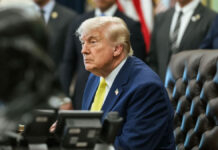
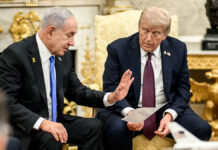
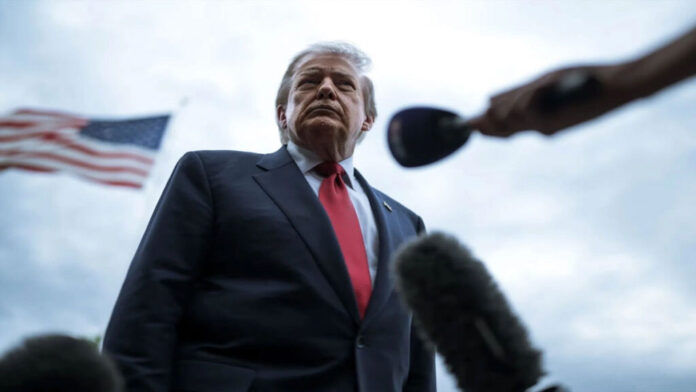
Trump Iran Warning has added fresh uncertainty to an already volatile situation in the Middle East after the U.S. President sharply criticized Tehran and warned that it would face consequences following recent military exchanges between Iran and the United States.
The latest developments come amid growing concerns that a fragile ceasefire framework in the region could unravel after a series of retaliatory strikes involving Iranian and American forces.
Trump Claims Iran Missed a Diplomatic Opportunity
Speaking about the escalating tensions, President Donald Trump argued that Iran had failed to take advantage of diplomatic opportunities that could have led to a favorable agreement.
Trump claimed that Tehran delayed negotiations for too long and suggested that the country would now face the consequences of that decision.
He also made strong assertions regarding Iran’s military capabilities, stating that key elements of the country’s armed forces had been significantly weakened. The White House has not released independent evidence supporting all of the battlefield assessments cited in the President’s remarks.
Iranian officials have rejected such characterizations and continue to maintain that the country’s military remains capable of defending its interests.
Missile and Drone Attacks Deepen Crisis
Regional tensions intensified after Iranian forces reportedly launched missile and drone attacks against American-linked military facilities in Bahrain, Kuwait, and Jordan.
According to Iranian officials, the strikes were carried out in response to recent U.S. military actions targeting Iranian-linked positions.
The attacks have heightened fears of a wider regional confrontation and increased concerns among international observers about the possibility of further escalation involving multiple countries across the Middle East.
Security analysts note that any prolonged military exchange could affect regional stability, energy markets, and international trade routes.
Why US-Iran Tensions Have Escalated
The latest confrontation follows reports that U.S. forces conducted strikes against Iranian-linked targets after incidents involving American military assets near the Strait of Hormuz.
U.S. officials described their actions as defensive measures aimed at protecting personnel and strategic interests in the region.
Iran, however, has accused Washington of escalating tensions and has vowed to respond to any attack against its territory or military assets.
The exchange represents one of the most serious episodes in the ongoing confrontation between the two countries and has increased concerns about the future of diplomatic engagement.
Iran Issues Strong Response
Iranian Foreign Minister Abbas Araghchi warned that Tehran would not leave any attack or threat unanswered.
His remarks signaled that Iran remains prepared to retaliate if additional military action is taken against the country.
The statement has reinforced concerns among diplomatic observers that further escalation could occur unless efforts to restore dialogue gain momentum.
Regional governments and international organizations continue to call for restraint from all parties involved.
Erdoğan Criticizes Israeli Actions
Separately, Turkish President Recep Tayyip Erdoğan criticized Israel’s military operations in neighboring countries and warned that the conflict could create broader regional risks.
Erdoğan argued that Israeli military actions in Syria and Lebanon have contributed to instability and warned that continued escalation could have consequences beyond the immediate conflict zone.
He urged the international community to act to prevent further deterioration of the security situation and emphasized the importance of avoiding a wider humanitarian and geopolitical crisis.
Regional and Global Concerns Grow
The ongoing military exchanges have drawn attention from governments around the world, many of which are concerned about the implications for regional security and global economic stability.
The Strait of Hormuz remains one of the world’s most important energy corridors, and any disruption to shipping or security in the region could have significant consequences for international oil markets.
Investors and policymakers are closely monitoring developments as diplomatic efforts continue behind the scenes.
What Comes Next?
Analysts believe the coming days will be crucial in determining whether the situation moves toward de-escalation or further confrontation.
Diplomatic channels remain active, but repeated military exchanges have complicated efforts to stabilize the region.
International mediators are expected to continue encouraging dialogue aimed at reducing tensions and preventing a broader conflict.