
New Delhi, India — March 31, 2026
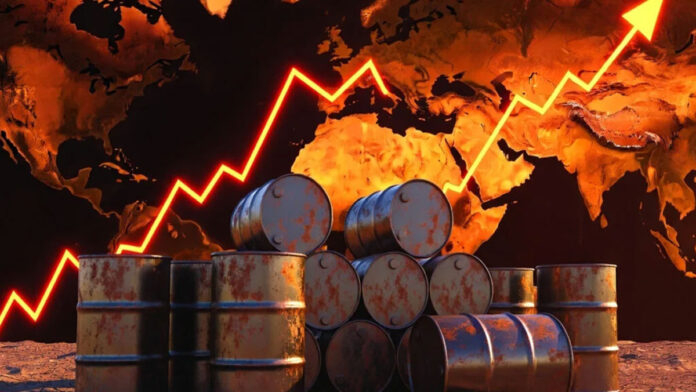
Global crude oil prices have surged to around $120 per barrel, driven by escalating tensions in the Middle East that have disrupted key supply routes and shaken energy markets worldwide.
Despite the sharp rise, India has so far refrained from increasing retail petrol and diesel prices, offering temporary relief to consumers even as economic pressures build behind the scenes.
Supply Disruptions Fuel Price Surge
The surge in crude prices is largely attributed to disruptions in the Strait of Hormuz, a critical chokepoint through which a significant portion of the world’s oil supply passes.
Ongoing geopolitical tensions and threats to maritime security have raised concerns over sustained supply shortages, pushing global benchmarks higher.
Why India Is Holding Fuel Prices
India’s state-run oil marketing companies have opted to maintain stable retail fuel prices despite rising input costs. This strategy is aimed at shielding consumers from immediate inflationary shocks and maintaining economic stability.
However, industry experts note that this approach may not be sustainable if global crude prices remain elevated for an extended period.
Inflation and Fiscal Risks Loom
Economists warn that prolonged high crude prices could have far-reaching consequences for India’s economy.
Key risks include:
- Rising inflation due to increased transportation and production costs
- A higher import bill, as India relies heavily on crude imports
- Potential fiscal strain if the government absorbs costs to keep fuel prices stable
These factors could eventually force policymakers to reconsider pricing strategies.
Government Balancing Act
The government is likely weighing multiple options to balance consumer affordability with economic realities. This could include adjusting taxes, subsidizing fuel, or allowing gradual price increases.
Maintaining price stability in the short term may help control inflation, but prolonged intervention could impact fiscal health.
Global Context Adds Pressure
The ongoing Middle East conflict has not only disrupted oil supplies but also increased volatility in global markets. With no immediate resolution in sight, energy prices are expected to remain sensitive to geopolitical developments.
Outlook: Price Stability May Be Temporary
While consumers are currently shielded from the global oil surge, analysts caution that domestic fuel prices in India may eventually rise if crude remains near or above $120 per barrel.
For now, the situation highlights the delicate balance between economic stability and market realities in an increasingly uncertain global energy environment.