New Delhi | March 2, 2026
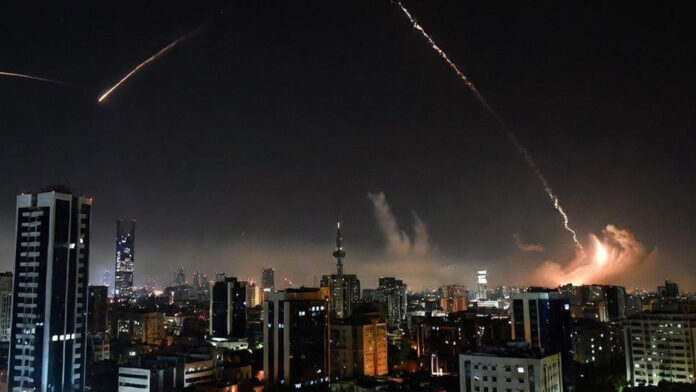
Rising military escalation in West Asia over the past 36 hours has intensified global economic concerns, with oil prices surging, stock markets under pressure, and air routes across the Middle East disrupted. The latest exchange of strikes between United States, Israel, and Iran has significantly heightened geopolitical tensions, raising questions about the wider economic fallout for countries including India.
Missile and drone strikes targeting Israeli locations and reported US-linked facilities in Gulf countries have escalated fears of a prolonged regional conflict. The situation remains fluid, with heavy bombardment reported from multiple fronts.
Oil Markets React as Hormuz Risks Grow
The immediate global reaction has been visible in crude oil markets. West Asia remains one of the world’s largest oil-exporting regions, and nearly one-fifth of global oil supplies pass daily through the strategically critical Strait of Hormuz.
Even the perceived risk of disruption to shipping routes has pushed oil prices higher. Brent crude climbed close to $80 per barrel, marking an increase of roughly 10 percent in recent days. Analysts warn that if maritime security deteriorates further, prices could approach the $100-per-barrel level.
A closure or significant threat to the Strait of Hormuz would disrupt global energy flows, affecting fuel costs worldwide. For oil-importing nations such as India, higher crude prices typically translate into increased transportation expenses, inflationary pressure, and elevated costs for essential goods.
Additionally, concerns have emerged around shipping traffic via the Suez Canal, where some companies have reportedly paused transit operations amid rising security risks.
Stock Markets Face Volatility
Financial markets have also reacted sharply. Heightened geopolitical uncertainty often drives investors toward safer assets, while risk-sensitive equities face selling pressure.
Authorities in the United Arab Emirates announced temporary closures of major exchanges, including the Abu Dhabi Securities Exchange and the Dubai Financial Market, following rising tensions.
Broader global indices have shown signs of weakness, with investors concerned about supply chain disruptions, higher input costs, and prolonged instability. Market analysts note that in periods of conflict, volatility tends to rise as traders reassess earnings outlooks and economic growth forecasts.
Impact on Aviation, Trade, and Insurance
The ripple effects extend beyond energy and equities. Airspace closures across several Middle Eastern countries have forced airlines to reroute or cancel flights. More than 700 flights have reportedly been affected in recent days, disrupting passenger travel and cargo logistics.
Countries including Israel, Qatar, Syria, Iran, Iraq, Kuwait, and Bahrain have temporarily restricted or closed portions of their airspace, creating operational challenges for international carriers.
Export-import businesses could face delays if maritime routes become unsafe or insurance premiums surge. War-risk insurance costs typically rise during regional conflicts, increasing overall shipping expenses and potentially affecting global trade flows.
What It Means for India and the Global Economy
India, which imports a significant portion of its crude oil requirements, could experience inflationary pressures if oil prices remain elevated. Higher fuel costs generally impact manufacturing, agriculture, logistics, and consumer goods pricing.
Global markets remain sensitive to developments in West Asia, as the region plays a pivotal role in energy security and international trade routes. While the full economic impact will depend on how long the conflict persists, financial and commodity markets are already pricing in heightened risk.
As the situation unfolds, policymakers and investors worldwide are closely monitoring developments that could reshape global energy dynamics and economic stability.