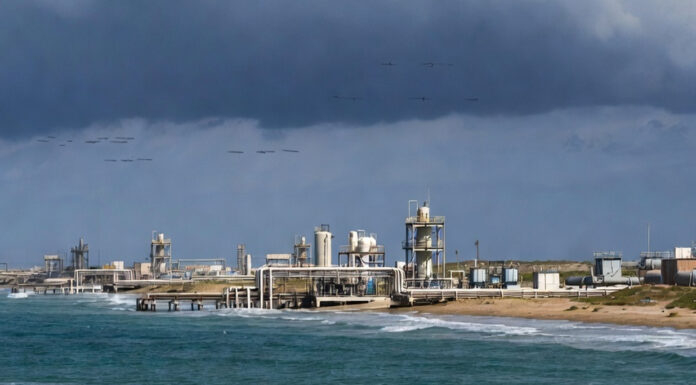
Dubai, UAE — March 21, 2026
West Asia Conflict is now raising a critical new concern beyond oil and energy—water security—as desalination plants across the Gulf region face increasing risks amid ongoing military tensions.
Experts warn that these facilities, which convert seawater into drinking water, have become essential infrastructure for survival in desert nations, making them highly sensitive targets.
Desalination Plants: The Region’s Lifeline
Countries across the Arabian Peninsula—including Dubai, Doha, Kuwait City, and Abu Dhabi—are almost entirely dependent on desalination plants for their water supply.
In Saudi Arabia, nearly 70% of drinking water comes from these facilities, while in Kuwait and Oman, dependency rises to nearly 90%.
This heavy reliance highlights the region’s vulnerability, as disruptions to these plants could immediately impact daily life.
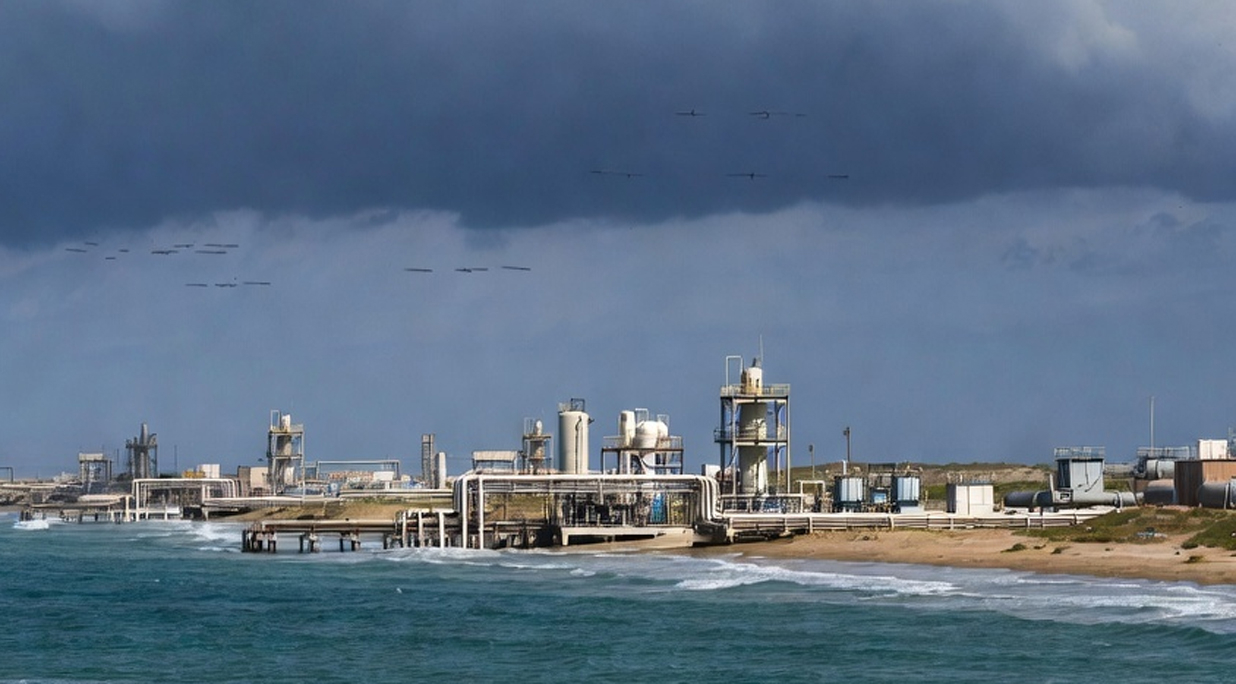
Nearly 100 Million People at Risk
Across the Gulf and Red Sea coasts, an estimated 100 million people rely directly on desalinated water for drinking and basic needs.
Many of the world’s largest desalination plants are located along these coastal areas, making them central to the region’s infrastructure and stability.
This growing reliance is increasingly being described by analysts as “desalination dependency.”
Rising Threats Amid Military Tensions
Recent missile and drone attacks near energy and water infrastructure in the Gulf have exposed the vulnerability of these facilities.
Strikes targeting oil depots in Iran and nearby infrastructure have raised concerns that desalination plants could become collateral targets or strategic assets in the conflict.
Fixed Infrastructure, Limited Alternatives
Unlike oil pipelines or storage terminals, desalination plants are fixed and cannot be easily relocated or replaced.
If a major plant is damaged, repairs could take months or longer, potentially leading to severe water shortages in affected regions.
This makes their protection a critical priority for Gulf nations, as any disruption could have immediate humanitarian and economic consequences.