Washington, D.C., United States — March 10, 2026
U.S. Issues Strong Warning as Iran Conflict Intensifies
The United States has warned that Tuesday could see the most intense American strikes inside Iran so far, signaling a major escalation in the ongoing conflict.
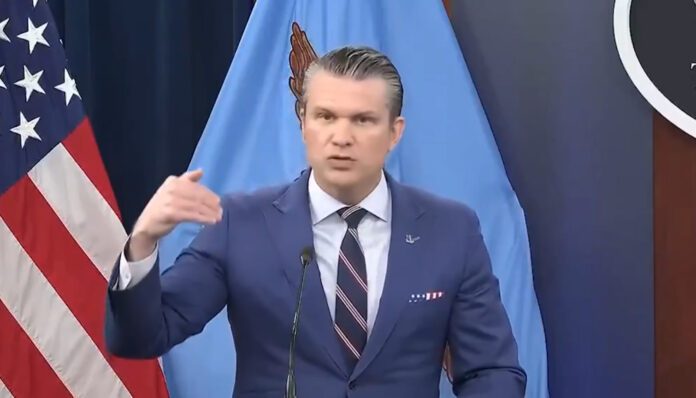
Speaking to reporters at the Pentagon, U.S. Defense Secretary Pete Hegseth said the coming attacks could mark the most significant phase of the military campaign against Iran, which has now entered its 11th day.
The warning comes amid growing regional tensions as Iran continues to signal its willingness to keep fighting despite signs that its offensive capabilities may be weakening.
Israel Signals Goal of Regime Change
Israel has also taken a hardline stance in the conflict. Israeli Prime Minister Benjamin Netanyahu said Israeli forces are inflicting heavy damage on Iran’s capabilities and made clear that the broader objective includes removing the current Iranian government from power.
“We are breaking their backbone,” Netanyahu said in remarks describing Israel’s ongoing operations.
He added that the ultimate goal is to liberate the Iranian people from what he described as oppressive rule, signaling a significant escalation in the rhetoric surrounding the conflict.
Trump Statements Add Global Market Uncertainty
Comments from U.S. President Donald Trump have also contributed to uncertainty around how long the conflict could continue.
Trump has given mixed signals about the possible duration of the war, creating uncertainty in global markets. On Monday, this uncertainty triggered sharp volatility in stock markets and oil prices worldwide.
Analysts say geopolitical instability in the Middle East often leads to rapid shifts in energy prices and investor sentiment.
Iran Rejects Reports of Ceasefire Request
Meanwhile, Iran’s Parliament Speaker Mohammad Bagher Ghalibaf denied reports suggesting that Tehran had sought a ceasefire.
He stated that claims about Iran requesting a halt to hostilities were completely false, emphasizing that the country remains committed to continuing the fight.
Pentagon Details Ongoing Military Campaign
Defense Secretary Hegseth said U.S. forces are preparing for heavier strikes, even as Iran appears to have fired fewer missiles in the past 24 hours compared with earlier stages of the conflict.
According to U.S. military General Dan Kane, the current military operation against Iran has now reached day 11, indicating that the conflict is entering a prolonged phase.
Gulf Nations Heighten Defense Measures
Tensions have also spread across the wider Middle East region.
Qatar’s Defense Ministry announced that its air defense systems successfully intercepted a missile headed toward its territory. Authorities have advised residents to remain indoors due to the risk of further Iranian attacks.
Similarly, the United Arab Emirates (UAE) said it has fully activated its air defense systems to counter potential missile threats originating from Iran.
Threats and Regional Escalation
Amid the escalating crisis, an Iranian security official reportedly issued a direct threat against President Trump, further intensifying the already volatile situation.
With multiple countries now raising security alerts and military activity increasing across the region, global leaders are closely monitoring developments that could significantly affect Middle East stability, global energy markets, and international security.