Washington/Tehran/Islamabad — April 22, 2026
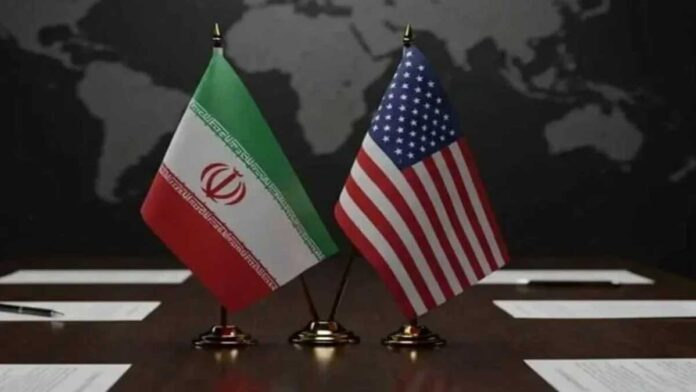
Tensions between the United States and Iran have escalated once again, casting doubt over a fragile ceasefire and raising concerns about stability across the Middle East.
The latest flashpoint emerged after U.S. President Donald Trump announced an extension of the ongoing ceasefire with Iran—only to be swiftly contradicted by Tehran, which rejected the claim and dismissed Washington’s conditions.
According to Iran’s state broadcaster IRIB, the Iranian government has made it clear that it will not engage in negotiations under pressure, threats, or preconditions.
Iran Rejects US Position
Early signals from Tehran suggest skepticism toward Washington’s claims, with officials indicating that Iran neither requested nor agreed to extend the ceasefire.
Reports from IRIB stated that Tehran has outright rejected the framework proposed by the United States, calling into question the legitimacy of Trump’s announcement. The ceasefire extension, according to Iranian sources, appears to have been declared unilaterally by Washington.
Trump’s Statement and Pakistan Angle
Earlier, President Trump said the decision to extend the ceasefire was intended to give Iran time to present a unified proposal, citing internal divisions within the Iranian government.
He also claimed that the move followed requests from Pakistan’s leadership, including Army Chief Syed Asim Munir and Prime Minister Shehbaz Sharif.
However, there has been no official confirmation from Islamabad regarding the extent or progress of any mediation or peace talks linked to the US-Iran standoff.
Current Status of Ceasefire
The ceasefire was initially introduced earlier this month to create space for diplomatic engagement. However, with both sides holding firm positions, trust between Washington and Tehran appears increasingly fragile.
Further complicating matters, reports indicate that U.S. Vice President JD Vance has postponed a planned visit to Pakistan, amid the lack of progress in negotiations and Iran’s continued silence on U.S. proposals.
Regional Impact
The renewed standoff threatens to destabilize an already volatile Middle East, where geopolitical tensions, energy security concerns, and strategic alliances remain deeply intertwined.
Analysts warn that without clear diplomatic breakthroughs, the situation could escalate further, affecting global markets, oil prices, and regional security dynamics.