Washington/Tehran/Islamabad — April 16, 2026
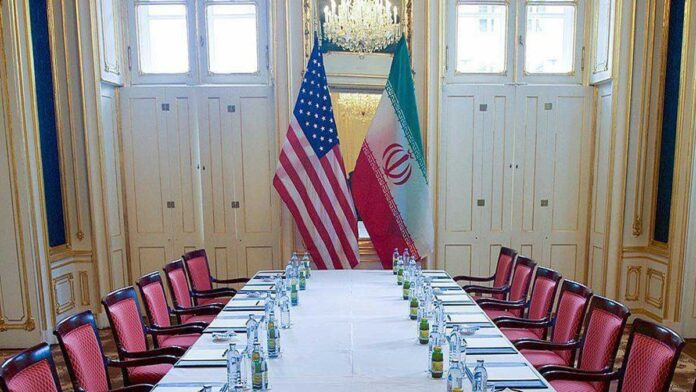
Hopes for a diplomatic breakthrough in the ongoing tensions between the United States and Iran are rising, as Pakistan steps in to mediate fresh negotiations aimed at de-escalating the conflict.
The development comes after weeks of heightened military and economic pressure, including a U.S. naval blockade affecting Iranian oil exports.
Pakistan Takes Center Stage in Mediation
Pakistan has emerged as a key intermediary, facilitating communication between Washington and Tehran. Reports indicate that Pakistan’s military leadership has engaged in high-level discussions in Tehran, aiming to lay the groundwork for renewed talks.
The mediation effort is seen as a significant diplomatic move that could help reopen dialogue channels between the two adversaries.
Background: Escalation and Blockade
The push for negotiations follows escalating tensions marked by U.S. enforcement measures around Iranian ports and shipping routes near the Strait of Hormuz.
These developments have disrupted global oil supply chains and raised concerns about broader regional instability.
Political Signals from Washington
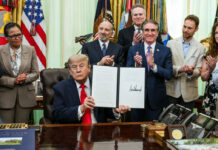
U.S. President Donald Trump has indicated that the conflict could be resolved in the near term, suggesting openness to a negotiated settlement.
At the same time, debates continue within the U.S. Senate over war powers and the scope of military involvement, reflecting domestic political pressure to avoid prolonged conflict.
Global Voices Call for De-escalation
International concern over the conflict has grown, with figures such as Pope Leo voicing criticism of the ongoing violence during a recent visit to Cameroon.
Calls for restraint and dialogue have intensified as the humanitarian and economic implications of the conflict become more pronounced.
Impact on Global Economy and Oil Markets
The nearly seven-week-long conflict has already impacted global markets:
- Oil prices have surged amid supply fears
- Shipping disruptions have increased costs
- Energy-importing nations face inflationary pressure
A successful round of talks could stabilize oil prices and ease global economic uncertainty.
What the Talks Aim to Achieve
The proposed negotiations are expected to focus on:
- Iran’s nuclear program
- De-escalation of military tensions
- Restoration of energy trade flows
- Regional security arrangements
Analysts believe that Pakistan’s mediation could play a crucial role in bridging differences and preventing further escalation.
Strategic Implications
The shift toward diplomacy signals a potential turning point in the crisis. If successful, the talks could:
- Reduce risks of military escalation
- Stabilize the Middle East region
- Restore confidence in global energy markets
However, experts caution that outcomes remain uncertain and will depend on sustained political will from all parties involved.