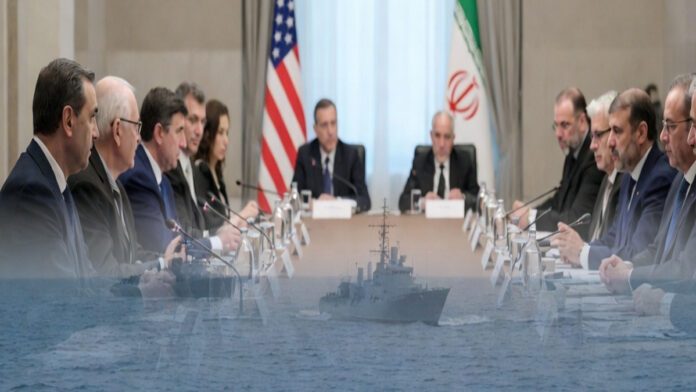
GENEVA, Switzerland — February 27, 2026
The United States and Iran have concluded another round of indirect negotiations over Tehran’s nuclear program in Geneva, even as heightened American military deployments across the Middle East intensify regional tensions and revive concerns about potential conflict.
The talks, mediated by Oman, are aimed at reaching a framework to curb Iran’s nuclear activities and prevent further escalation in the region.
Oman Confirms “Progress” in Indirect Negotiations
Oman’s Foreign Minister, Badr Albusaidi, who is mediating the discussions, said the Geneva talks had concluded and would resume soon. In a statement posted on social media, he described the discussions as having made “significant progress,” though no detailed framework was released.
Technical-level discussions are expected to continue next week at the headquarters of the International Atomic Energy Agency in Vienna.
The renewed diplomatic engagement comes amid growing international attention, as Western powers seek to limit Iran’s nuclear capabilities while avoiding direct military confrontation.
Warnings From Tehran as Military Presence Expands
Before departing for Geneva, Iranian Foreign Minister Abbas Araghchi warned that any U.S. military strike would prompt retaliation against American bases in the region.
He cautioned that such an escalation would offer “no winner” and could drag the broader Middle East into a destructive conflict.
Iran has previously signaled that Israel could also become a target in the event of military action, raising the stakes across an already volatile region.
Meanwhile, the United States has increased its military posture in the Gulf, deploying additional aircraft and naval assets. Satellite imagery indicates heightened activity involving the U.S. Navy’s Fifth Fleet based in Bahrain, with several vessels repositioned to sea.
Talks Previously Collapsed After Regional Conflict
Negotiations between Washington and Tehran broke down last year following a 12-day military escalation involving Israel and reported U.S. strikes on Iranian nuclear facilities. The full extent of damage from those strikes remains unclear.
The United States has accused Iran of attempting to rebuild and advance its nuclear program. U.S. Secretary of State Marco Rubio stated that while Iran is not currently enriching uranium at weapons-grade levels, it continues pursuing capabilities that could enable nuclear weapon development.
Tehran has consistently maintained that its nuclear program is for civilian purposes.
Oil Markets React to Rising Tensions
Energy markets are closely monitoring developments. Brent crude prices have climbed to around $70 per barrel amid fears that further escalation could disrupt global oil supplies.
During earlier rounds of tension, Iran signaled it could temporarily restrict shipping through the Strait of Hormuz — a critical chokepoint for global oil trade — intensifying market volatility.
While diplomacy remains active, the parallel military movements underscore the fragile balance between negotiation and confrontation in the region.