Islamabad, Pakistan — April 12, 2026
High-stakes, face-to-face negotiations between the United States and Iran ended without a breakthrough after 21 hours of talks in Islamabad, intensifying concerns over a widening conflict in the Middle East and potential disruption to global oil supplies.
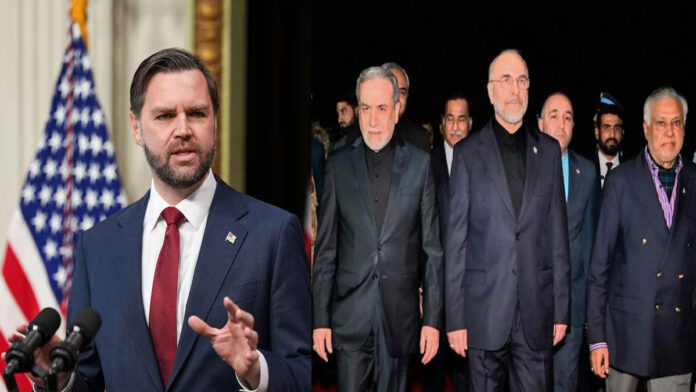
The negotiations, held over April 11–12, marked one of the most direct diplomatic engagements between Washington and Tehran in recent years. The U.S. delegation was led by Vice President JD Vance, while Iran was represented by Parliament Speaker Mohammad Bagher Qalibaf.
The talks were hosted by Shehbaz Sharif in Islamabad, with observers from China, Egypt, Saudi Arabia, and Qatar present.
Talks Collapse Over Nuclear and Security Disputes
According to officials familiar with the discussions, the negotiations broke down primarily over disagreements on Iran’s nuclear program and regional security demands.
The United States presented a 15-point proposal focused on:
- Restricting Iran’s nuclear activities
- Reopening the critical Strait of Hormuz
Iran countered with a 10-point framework, demanding:
- Immediate end to hostilities
- Control over the Strait
- Financial compensation and asset releases
- An end to actions targeting regional allies, including Hezbollah
Iran ultimately rejected key nuclear restrictions, prompting Vance to leave the talks after presenting what officials described as Washington’s “final and best offer.”
Oil Supply Concerns as Strait Disruptions Deepen
The failure to reach an agreement comes amid growing disruption in the Strait of Hormuz, a vital global oil transit chokepoint.
Shipping traffic has reportedly dropped to around 12 vessels per day, down sharply from over 100, raising alarms across global energy markets.
U.S. naval forces have already begun mine-clearing operations in the region to secure maritime routes.
Sharp Reactions From Washington and Tehran
U.S. President Donald Trump, who remained in close contact with the delegation, downplayed the outcome, stating the potential deal “makes no difference.”
On the Iranian side, Foreign Minister Abbas Araghchi expressed “deep distrust,” citing recent military strikes and warning of possible retaliation.
Conflict Toll and Regional Fallout
The ongoing conflict, now in its seventh week after a fragile truce collapsed, has resulted in significant casualties:
- Iran: At least 3,000 deaths
- Lebanon: Over 2,020 deaths
- Israel: 23 deaths
- Additional casualties reported across Gulf states
The war, triggered on February 28 following U.S.-Israeli military actions, has increasingly drawn regional actors into a broader confrontation.
Global Reactions and Diplomatic Uncertainty
International concern continues to mount. Pope Leo XIV criticized the conflict, warning against what he described as a “delusion of omnipotence.”
Meanwhile, planned diplomatic talks between Israel and Lebanon in Washington are now uncertain, further complicating efforts to stabilize the region.
What’s at Stake
- Rising risk of wider Middle East war
- Severe disruption to global oil supply chains
- Increased military activity in the Gulf region
- Diplomatic channels under strain amid deep mistrust
Outlook
With negotiations stalled and positions hardening on both sides, the path forward remains uncertain. Analysts warn that without renewed diplomatic engagement, the conflict could escalate further, with significant implications for global energy markets and regional stability.