Washington, D.C., April 14, 2026
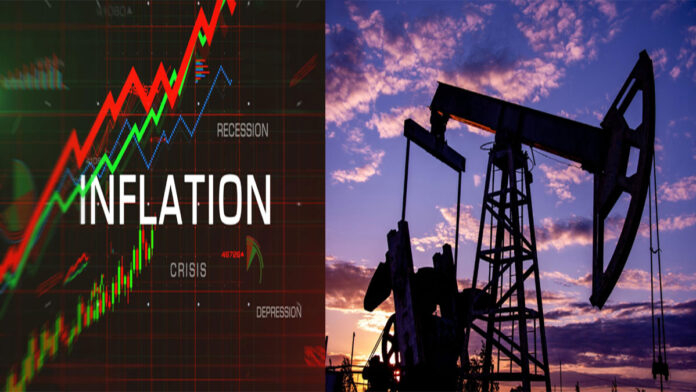
A fresh inflation warning is emerging in the United States as wholesale prices surged to their highest level in three years, signaling renewed pressure on businesses and consumers alike.
New data released by the U.S. Bureau of Labor Statistics shows that the Producer Price Index (PPI) rose 0.5% in March 2026, pushing the annual wholesale inflation rate to 4%. The increase underscores a sharp acceleration in input costs, largely driven by a surge in global oil prices.
The spike in energy costs is closely tied to escalating tensions between the United States and Iran, which have disrupted key oil supply routes through the Strait of Hormuz. As one of the world’s most critical energy corridors, any instability in the region has immediate ripple effects across global markets.

( Photo : social media )
While economists had anticipated an even steeper monthly jump of 1.1%, the latest figures still point to persistent inflationary pressures that could soon filter through to consumer prices. The PPI is widely regarded as a leading indicator of future inflation trends, meaning higher costs for producers often translate into higher prices for households.
This development follows recent consumer inflation data showing rising goods prices across the U.S., reinforcing concerns that inflation may remain elevated for longer than expected. Analysts say energy costs are once again becoming a dominant force shaping the inflation outlook.
The Federal Reserve now faces increasing pressure as it navigates a complex economic landscape. Policymakers must weigh the risks of persistent inflation against slowing growth, especially as geopolitical tensions continue to inject volatility into global markets.
“The latest data highlights how global conflicts are directly feeding into domestic inflation,” analysts noted, pointing to oil’s outsized role in the March surge.
With no immediate policy response announced, the focus now shifts to upcoming inflation reports and central bank signals. If energy prices remain elevated, economists warn that inflation could stay stubbornly high, complicating the path toward economic stability.