Washington, D.C., United States — May 4, 2026
The United States has accused China of large-scale intellectual property theft involving artificial intelligence technologies, escalating tensions just weeks before a planned visit to Beijing by President Donald Trump.
According to the White House, Chinese entities are allegedly using a technique known as “AI distillation” to extract and replicate advanced capabilities from American AI systems.
What Is ‘AI Distillation’?
In simple terms, AI distillation refers to a process where a smaller AI model learns from the outputs of a more advanced system. While commonly used for efficiency in legitimate contexts, US officials claim it is being misused to replicate proprietary technologies without authorization.
The White House memorandum alleges that Chinese actors are deploying thousands of proxy accounts to bypass safeguards on US-based AI platforms. These accounts reportedly mimic human behavior to extract sensitive or restricted information from advanced models.
Officials also cited the use of “jailbreaking” techniques—methods designed to override AI safeguards—to gain access to non-public data and system behaviors.
Previous Complaints by AI Companies
The issue is not new. Earlier this year, leading AI firms including OpenAI and Anthropic raised concerns about similar activities.
Anthropic specifically reported attempts by AI models such as DeepSeek, Moonshot AI, and MiniMax to extract or “distill” knowledge from its systems without authorization.
These developments have intensified scrutiny over AI security, intellectual property protections, and global tech competition.
China Rejects Allegations
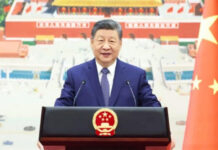
China has firmly denied the accusations. A spokesperson for the Chinese Embassy in Washington dismissed the claims as “baseless,” asserting that the country respects intellectual property rights.
The spokesperson emphasized that China’s technological progress is driven by domestic innovation and international collaboration, not illicit practices. They added that China is rapidly evolving from a manufacturing hub into a global innovation center.
Strategic Timing Raises Stakes
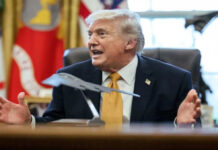
The allegations come at a sensitive moment, ahead of President Trump’s anticipated visit to Beijing—seen as a key diplomatic engagement between the two global powers.
Analysts say the dispute could complicate discussions around trade, technology cooperation, and security, areas already marked by ongoing friction between Washington and Beijing.
Broader Implications for Global AI Governance
The controversy highlights growing global concerns around AI governance, cybersecurity, and fair use of advanced technologies. As nations race to lead in artificial intelligence, issues of transparency, regulation, and trust are becoming increasingly central.