Dhaka, Bangladesh — February 6, 2026
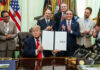
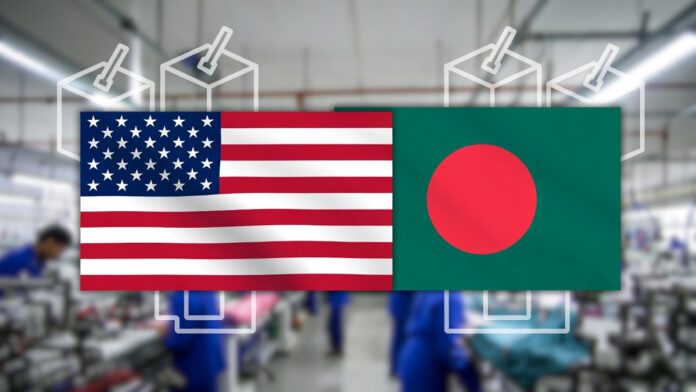
The United States and Bangladesh are set to sign a bilateral trade agreement on February 9, just 72 hours before Bangladesh’s national elections scheduled for February 12, triggering political and economic debate over the timing and confidentiality of the deal.
Questions are being raised as the terms of the agreement have not been made public, even as the country prepares for a crucial electoral exercise.
India-US Trade Deal Adds Pressure on Bangladesh
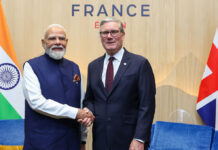
The development comes shortly after India and the United States finalized their own trade agreement, under which tariffs on Indian goods were reduced to 18%. The move has intensified competitive pressure on Bangladesh, particularly in the US market.
Concerned about losing market share to India, Bangladesh has reportedly fast-tracked negotiations with Washington to secure comparable or more favorable trade terms.
Interim Government Confirms Signing Date
Bangladesh’s interim government is expected to formalize the deal before the elections. According to reports, Mahbubur Rahman, the country’s Commerce Secretary, has confirmed February 9 as the signing date.
With elections just days away, the announcement has drawn attention from political observers and trade analysts alike.
Why the Deal Matters for Bangladesh
Bangladesh’s economy is heavily dependent on Ready-Made Garment (RMG) exports, which account for nearly 90% of its exports to the United States. Any shift in tariff structures or trade access could have a direct impact on employment, foreign exchange earnings, and overall economic stability.
Analysts say Bangladesh fears that if it fails to secure competitive access to the US market, Indian exporters could gain a significant advantage, especially after the recent tariff reduction.
Focus Shifts From Polls to Trade
As election day approaches, public attention in Bangladesh has increasingly shifted toward the impending trade agreement. While supporters argue that securing US market access is critical for economic continuity, critics question the lack of transparency and the decision to finalize such a major deal so close to national elections.
So far, US officials have not commented publicly on the agreement’s terms.