Washington, D.C. — May 2, 2026
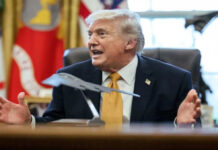
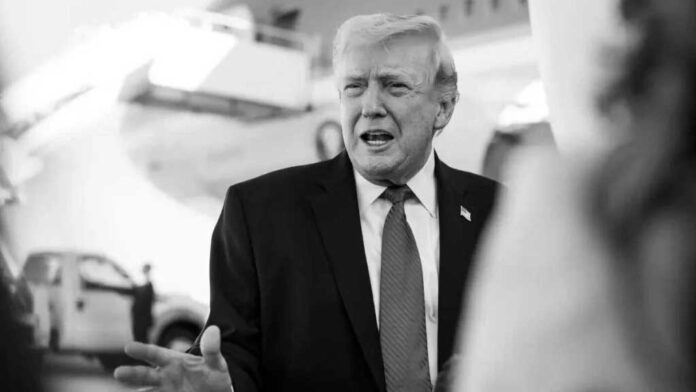
In a sharp escalation of rhetoric, Donald Trump issued a stark warning to Iran, framing the ongoing standoff as a choice between diplomacy and potential military action. Speaking at the White House, Trump also dismissed the War Powers Resolution as “completely unconstitutional,” signaling his administration may bypass Congress in decisions involving military engagement.
“Deal or Destruction”: Trump Lays Out Stark Choices
Addressing reporters, Trump made clear that the United States has multiple options in dealing with Tehran, ranging from negotiations to the use of force.
“We have options,” Trump said. “Do we want to go in and completely destroy them and wipe them out? Or do we want to make a deal? Those are the choices.”
While emphasizing that he prefers a peaceful resolution, Trump acknowledged that military action remains on the table. “From a humanitarian standpoint, I would not want to do that,” he added. “But it is an option.”
Tensions Rise After CENTCOM Briefing
Trump’s remarks came after a high-level briefing from Brad Cooper, commander of the United States Central Command (CENTCOM), highlighting growing concerns over Iran’s regional activities.
Although Trump did not disclose operational details, his comments suggest increasing readiness within the U.S. defense establishment to respond decisively if diplomacy fails.
Trump Rejects Iran’s Proposal, Doubts Deal Prospects
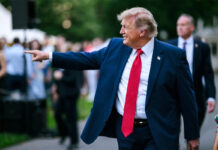
The U.S. president also expressed dissatisfaction with a recent proposal from Tehran aimed at de-escalating the crisis. Speaking from the White House South Lawn, Trump questioned whether a final agreement could be reached.
“They want to make a deal, but I’m not happy with it,” he said. “We’ll see what happens.”
Trump declined to specify which aspects of the proposal were unacceptable but hinted at deeper concerns about Iran’s intentions and reliability in negotiations.
Claims of Division Within Iranian Leadership
Adding another layer of complexity, Trump suggested that internal divisions within Iran’s leadership could hinder diplomatic progress.
“The Iranian leadership is very fragmented,” he said. “There are two, maybe three or four groups, and they’re not aligned. They all want a deal, but they’re disorganized.”
His remarks indicate that Washington may see Tehran’s internal political dynamics as a key factor affecting the outcome of ongoing talks.
Uncertain Path Ahead
With tensions continuing to simmer, Trump’s latest statements underscore a volatile moment in U.S.-Iran relations. The administration’s willingness to challenge congressional authority while keeping military options open signals a potentially pivotal phase in the conflict.
Whether diplomacy prevails or the situation escalates further remains uncertain, as both Washington and Tehran navigate a high-stakes geopolitical standoff.