WASHINGTON, D.C. — May 23, 2026
U.S. President Donald Trump is reportedly considering fresh military action against Iran as diplomatic efforts to defuse tensions appear to be nearing collapse.
According to a report by Axios, Trump held a high-level meeting Friday morning with his senior national security team to review the rapidly evolving situation involving Iran and ongoing nuclear-related negotiations.
The development comes amid growing uncertainty over whether last-minute diplomatic talks can prevent a wider regional conflict in the Middle East.
White House Holds Emergency Security Meeting
U.S. officials familiar with the discussions said Trump is seriously evaluating additional strikes against Iran if negotiations fail to produce meaningful progress.
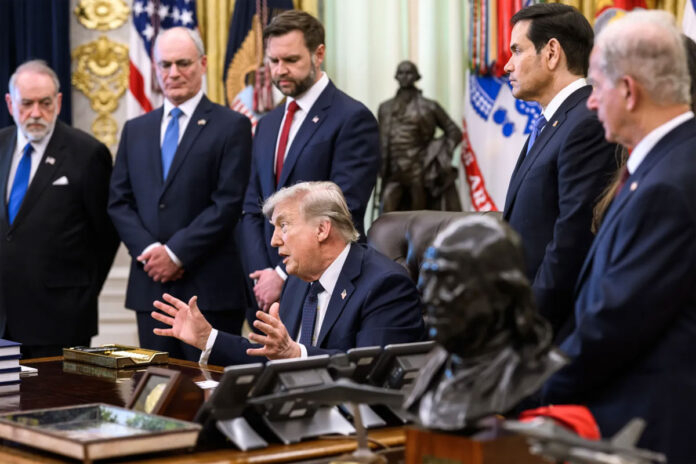
The high-level White House meeting reportedly included:
- Vice President JD Vance
- Defense Secretary Pete Hegseth
- CIA Director John Ratcliffe
- White House Chief of Staff Susie Wiles
One U.S. official described the ongoing diplomatic exchanges as “painful,” saying draft proposals continue to move back and forth daily without major breakthroughs.
Pakistan Army Chief Arrives in Tehran
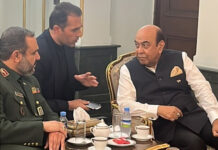
At the same time, Pakistan’s Army Chief Asim Munir arrived in Tehran amid intensifying regional diplomatic efforts.
Reports suggest Munir may meet senior Iranian military leader Ahmad Vahidi, a key figure associated with Iran’s strategic and security policymaking structure.
A Qatari delegation is also reportedly engaged in backchannel discussions aimed at securing a last-minute understanding between Washington and Tehran.
Trump Signals Tough Position on Iran
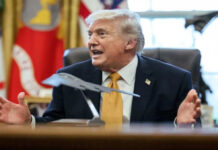
Speaking during a White House event, Trump struck a hardline tone regarding Iran’s nuclear ambitions.
“Iran is desperate to make a deal. We’ll see what happens,” Trump said. “But we hit them hard, and we had no choice because Iran cannot have nuclear weapons.”
Meanwhile, during a NATO foreign ministers’ meeting in Sweden, U.S. Secretary of State Marco Rubio acknowledged that only limited progress had been made in talks with Iran.
Rubio cautioned against overstating the diplomatic momentum, signaling continued uncertainty around a possible agreement.
Trump Returns to Washington Amid Escalating Crisis
Trump had reportedly traveled to New York earlier in the week for a political rally connected to the upcoming midterm election campaign.
However, he canceled weekend plans at his Bedminster golf club in New Jersey and returned to the White House Friday evening as tensions escalated.
In a post on Truth Social, Trump said he would not attend his son Donald Trump Jr.’s wedding this weekend because of “government responsibilities” and the seriousness of the Iran crisis.
The president wrote that while he wanted to be present for the important family occasion alongside his future daughter-in-law Bettina, remaining in Washington was necessary due to national security concerns.
Frustration Growing Over Slow Diplomacy
Sources familiar with internal discussions said Trump has become increasingly frustrated by the slow pace of negotiations with Iran over recent days.
According to reports, Trump told Israeli Prime Minister Benjamin Netanyahu earlier this week that he wanted to give diplomacy another opportunity.
However, by Thursday night, his position reportedly shifted toward favoring a tougher military response if negotiations continue to stall.
Officials close to the discussions say Trump is also considering the possibility of a decisive military campaign designed to quickly weaken Iran’s strategic capabilities before declaring an end to hostilities.
Global Markets and Regional Stability in Focus
The escalating standoff is being closely watched by global markets and international leaders, as fears grow over potential disruptions to oil supplies, shipping routes, and broader regional stability.
Any direct military escalation between the United States and Iran could significantly impact global energy prices and security conditions across the Middle East.
Analysts say the coming days may prove critical in determining whether diplomacy can still prevent a wider geopolitical confrontation.