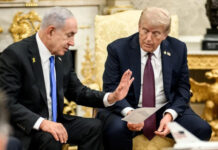
U.S. President Donald Trump is set to co-chair a high-profile Gaza peace summit in Sharm el-Sheikh, Egypt, signaling renewed international efforts to stabilize the region after weeks of conflict. The summit, scheduled for later this month, aims to bring together leaders from Israel, Palestine, Egypt, and other international partners to negotiate humanitarian aid delivery and long-term conflict resolution.
Trump, who served as the 45th President of the United States, has previously been involved in Middle East peace negotiations, most notably the Abraham Accords. Speaking ahead of the summit, he said, “Peace in Gaza is critical not just for the region, but for global security. We are committed to bringing all parties to the table and ensuring that civilians are protected.”
Key Objectives of the Summit
Humanitarian Assistance – One of the primary goals is to ensure safe access for aid organizations, providing food, medical supplies, and shelter to displaced populations.
Conflict De-escalation – The summit seeks to establish mechanisms that prevent future escalations between Israel and Hamas.
Regional Cooperation – Egypt, hosting the summit, will facilitate discussions between neighboring countries to promote stability and economic recovery.
According to Egyptian officials, the summit will include private meetings with senior diplomats, public statements from leaders, and collaborative sessions to outline actionable steps. Experts believe that the participation of a U.S. president adds significant diplomatic weight, potentially encouraging both parties to make concessions.
International Reactions
The announcement has generated mixed responses worldwide. The United Nations Secretary-General António Guterres expressed cautious optimism, stating, “International engagement is crucial, but the parties involved must demonstrate genuine commitment to lasting peace.”
Meanwhile, regional analysts highlight that while the summit is a positive development, the challenges are substantial. Decades of mistrust, political fragmentation, and ongoing violence have made previous peace initiatives fragile.
Voices from Gaza
On the ground in Gaza, civilians express both hope and skepticism. Local teacher Amal Khalil shared, “We want peace more than anything. If leaders can deliver on promises, it will change our lives.” Others remain cautious, reflecting the deep scars left by repeated cycles of conflict.
Economic and Political Implications
A stable Gaza would not only reduce human suffering but could also stimulate regional trade and development. Egypt hopes to leverage the summit to strengthen its role as a peace broker, enhancing its geopolitical influence in the Middle East. The U.S., through Trump’s participation, signals continued interest in mediating Middle East conflicts even outside the official administration.
Expert Insight
Dr. Fatima al-Masri, Middle East analyst, said, “This summit is an opportunity, but success depends on follow-through. Humanitarian aid, security guarantees, and long-term political solutions must align; otherwise, history may repeat itself.”