
Riyadh, Saudi Arabia | July 7, 2026
Saudi Arabia Oil Price Cut Marks Biggest Reduction in 26 Years, Offering Potential Relief for India and Global Markets
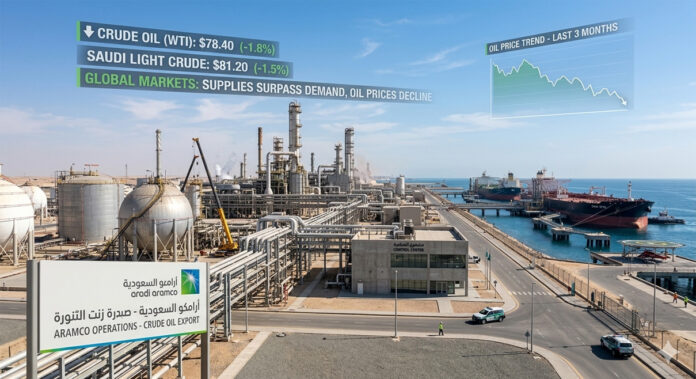
Saudi Arabia Oil Price Cut has sent ripples through the global energy market after the Kingdom announced its largest reduction in crude oil prices in 26 years for August deliveries. The move comes amid rising global oil supplies, increased competition among exporters, and the normalization of shipping through the Strait of Hormuz.
For major crude importers such as India, the decision could significantly reduce import costs, ease inflationary pressures, and improve the financial position of domestic oil marketing companies. However, any reduction in retail petrol and diesel prices will still depend on government policy, taxes, and pricing decisions by fuel retailers.
Saudi Arabia Announces Record Price Reduction for August
Saudi Arabia, one of the world’s largest crude oil exporters, has reduced the official selling price (OSP) of its Arab Light crude for August by $11 per barrel, marking the steepest price cut in more than two decades.
The Kingdom had already lowered prices by $6 per barrel for July shipments, signaling an aggressive pricing strategy aimed at maintaining competitiveness in Asia, the world’s largest oil-importing region.
For Asian customers, Arab Light crude has now been priced $1.50 per barrel below the Oman-Dubai benchmark, making Saudi crude significantly more attractive compared with competing suppliers.
Why Did Saudi Arabia Cut Oil Prices So Sharply?
Several market developments have contributed to Saudi Arabia’s decision:
- Global crude oil supplies have increased, creating downward pressure on prices.
- Oil exports through the Strait of Hormuz have returned to normal after earlier disruptions.
- Major Gulf oil producers have expanded production.
- Saudi crude exports have recovered to levels close to those seen before recent geopolitical tensions.
- The United Arab Emirates has restored full oil production and exports.
- OPEC+, including Russia, has agreed to increase production by 188,000 barrels per day beginning in August.
- Production was also raised during June and July, further boosting global supply.
- Saudi Arabia aims to protect its market share by offering more competitive prices, particularly to Asian buyers.
The combination of stronger supply and heightened competition has prompted the Kingdom to adopt a more aggressive pricing strategy.
Brent Crude Prices Continue to Ease
Growing supply has already affected international benchmark prices.
Brent crude has declined to approximately $71.70 per barrel, reflecting expectations that additional production from OPEC+ members will keep the global oil market well supplied in the coming months.
Market analysts believe that continued supply growth could limit further price increases unless major geopolitical disruptions occur.
How Could India Benefit?
India imports more than 85% of its crude oil requirements, making it one of the world’s largest energy importers.
Lower international crude prices could provide several benefits:
Reduced Import Costs
Indian refiners may be able to purchase crude oil at lower prices, reducing overall refining costs.
Improved Financial Position for Oil Marketing Companies
State-run oil marketing companies have faced pressure in recent months due to fuel pricing policies and losses on subsidized liquefied petroleum gas (LPG).
Cheaper crude could help narrow these losses and improve profitability.
Potential Relief for LPG Subsidies
Lower import costs may also reduce the government’s expenditure on LPG subsidies, easing pressure on public finances.
Will Petrol and Diesel Become Cheaper?
While lower crude prices generally improve the economics of fuel production, retail petrol and diesel prices in India do not automatically decline.
Domestic fuel prices are influenced by several factors, including:
- Central and state taxes
- Marketing margins of oil companies
- Exchange rate movements
- Government pricing policies
- Inventory and procurement costs
As a result, consumers may not see an immediate reduction at fuel stations even if global crude prices fall.
Possible Impact on Inflation
Lower crude oil prices can positively influence the broader economy by reducing costs across multiple sectors.
Potential benefits include:
- Lower transportation expenses
- Reduced logistics and freight costs
- Lower manufacturing input costs
- Reduced electricity generation costs in sectors dependent on fuel
- Improved operating margins for businesses
These factors could help moderate inflation by lowering the cost of moving goods and producing essential commodities.
Economists note that softer energy prices often contribute to greater price stability across the economy, although the full impact depends on domestic policy measures and global market conditions.
Australia vs Egypt: Egypt Stuns Australia 4-2 on Penalties to Reach FIFA World Cup 2026 Round of 16
OPEC+ Continues to Increase Production
Saudi Arabia’s pricing decision coincides with the latest production agreement by OPEC+, the alliance of major oil-producing countries that includes Russia.
The group has approved an additional 188,000 barrels per day of production starting in August, following earlier output increases implemented during June and July.
The strategy reflects confidence in global demand while ensuring sufficient supplies remain available in international markets.
Global Energy Market Watches Next Moves
The sharp price reduction highlights Saudi Arabia’s determination to remain competitive in Asia, where demand from major importers such as India, China, Japan, and South Korea remains strong.
Analysts expect oil prices to remain under pressure if production continues to outpace demand. However, future price movements will also depend on geopolitical developments, global economic growth, shipping conditions, and energy consumption trends.
For India, sustained lower crude prices could improve the trade balance, reduce import bills, support macroeconomic stability, and provide policymakers with greater flexibility in managing inflation.










Comments are closed.