Washington, D.C., United States — March 23, 2026
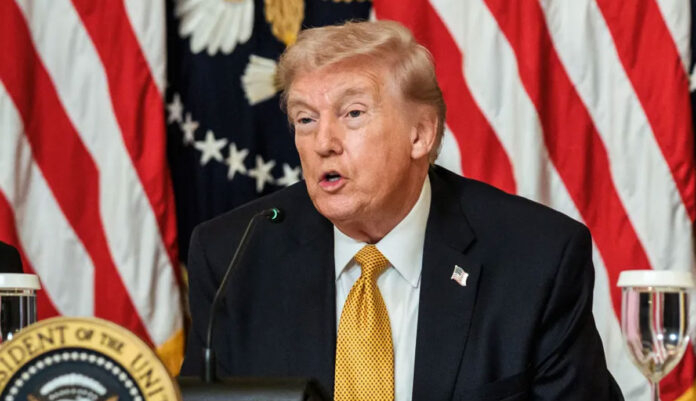
U.S. President Donald Trump has ordered a temporary halt to planned military strikes on Iran’s energy infrastructure, including facilities near Bushehr, following what he described as “positive and productive” talks between Washington and Tehran.
The decision to delay potential strikes by five days signals a possible diplomatic opening amid escalating tensions in the Middle East.
Trump Signals Diplomatic Progress
In a statement posted on his social media platform Truth Social, Trump said recent discussions with Iran over the past two days had been constructive and aimed at achieving a “complete resolution” to the ongoing conflict.
“Based on the positive direction of these talks, I have instructed the Department of Defense to postpone any military action against Iran’s power plants and energy infrastructure for the next five days,” Trump said.
He added that negotiations would continue throughout the week, indicating a sustained diplomatic push.
Claim: Iran Ready for a Deal
In a separate interview with a U.S. news outlet, Trump claimed that Iran is willing to reach an agreement soon.
“Iran wants to make a deal. It could happen within five days or even sooner,” he said, though no official confirmation from Tehran has been issued.
UK, US Discuss Hormuz Strait Crisis
The development comes a day after Trump held a phone conversation with UK Prime Minister Keir Starmer, according to a statement from Downing Street.
The leaders discussed reopening the Strait of Hormuz, a critical global shipping route that has faced disruptions amid rising tensions.
Earlier, Trump had issued a 48-hour warning to Iran, threatening to target major power facilities if maritime traffic through the strait was not restored. Iran had responded with its own warnings, escalating fears of a broader conflict.
Backchannel Diplomacy Efforts
A report by U.S.-based outlet Axios indicated that early-stage diplomatic efforts are underway between the two sides, with mediators including Egypt, Qatar, and the United Kingdom relaying messages.
According to the report:
- Iran has expressed willingness to negotiate
- Tehran has sought compensation for damages from recent strikes
- Guarantees against future conflict are among Iran’s key demands
Meanwhile, Washington is reportedly seeking commitments from Iran on multiple fronts tied to regional security.
Key U.S. Conditions for Agreement
The Axios report suggests that the U.S. has outlined several conditions for a potential deal, including:
- A halt to Iran’s missile development programs for at least five years
- Suspension of uranium enrichment activities
- Closure or suspension of operations at nuclear sites such as Natanz, Isfahan, and Fordow
- Strict international monitoring of nuclear-related equipment and centrifuges
These demands reflect longstanding concerns over Iran’s nuclear program and regional influence.
High Stakes for Regional Stability
The ongoing dialogue is being closely watched as a critical moment in Middle East geopolitics. Relations between the U.S. and Iran have been strained for decades, and any breakthrough could significantly alter regional dynamics.
A successful diplomatic outcome could:
- Reduce military tensions
- Stabilize global energy markets
- Restore critical shipping routes
- Lower risks of broader regional conflict
Cautious Optimism for Peace
While no formal agreement has been announced, Trump’s decision to delay military action has raised cautious optimism about a possible de-escalation.
Analysts note that continued engagement over the coming days will be crucial in determining whether the talks translate into a lasting agreement.
For now, the five-day pause offers a narrow but significant window for diplomacy to take precedence over conflict.