
New Delhi, India — February 2026
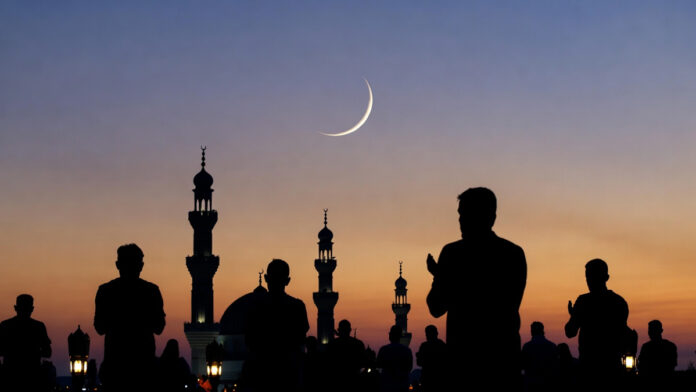
Ramadan, the holiest month in Islam, is expected to begin in February 2026, offering relatively moderate weather conditions for those observing fasts. The exact start date, however, will be confirmed only after the sighting of the crescent moon, in accordance with Islamic tradition.
According to Maulvi Farukh Ahmed, Ramadan in 2026 is likely to commence on February 19 or February 20, depending on the visibility of the moon on the evening of February 18. If the crescent is sighted that evening, the first Roza (fast) will be observed on February 19; otherwise, fasting will begin on February 20.
Why Ramadan Holds Deep Religious Importance
Ramadan is regarded as the most sacred month in the Islamic calendar, observed not only by Muslims but also widely respected by non-Muslims for its spiritual significance. It is the ninth month of the Islamic lunar calendar and marks the period when the Qur’an was revealed.
Maulvi Farukh Ahmed explains that fasting during Ramadan is not limited to abstaining from food and drink. Instead, it emphasizes self-discipline, control over desires (nafs), avoidance of negative behavior, and adoption of positive thinking, along with increased devotion to prayer and charity.
🌙 When Will Ramadan Begin in February 2026?
As per religious scholars and lunar calendar calculations:
Moon sighted on Feb 18 evening: First Roza on February 19, 2026
Moon not sighted: First Roza on February 20, 2026
The final confirmation will be made by official moon-sighting committees.
📅 Key Dates for Ramadan 2026 (Expected)
Start of Ramadan: February 19 or 20, 2026
Duration: 29 or 30 days
End of Ramadan: Around March 20, 2026
Laylat al-Qadr (Night of Power): 27th night of Ramadan
Expected date: March 17, 2026
Eid-ul-Fitr: Around March 20 or March 21, 2026, subject to moon sighting
Laylat al-Qadr is considered the most spiritually powerful night of Ramadan, during which prayers and acts of worship are believed to carry immense reward.
🕊️ Spiritual Focus of Ramadan
Throughout the month, devotees observe daily fasts from dawn to sunset, engage in extended prayers, recite the Qur’an, and perform charitable acts. The purpose of fasting, scholars note, is to cultivate patience, humility, compassion, and spiritual awareness.
With Ramadan expected to fall in February, shorter daylight hours may offer some physical ease to observers compared to summer fasts.