Moscow, Russia — April 2, 2026
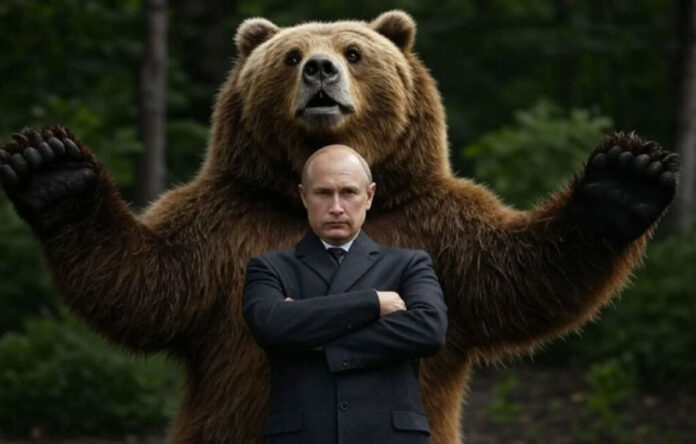
Russian President Vladimir Putin has issued a clear warning to Armenia, stating that it cannot simultaneously be a member of both the European Union (EU) and the Russia-led Eurasian Economic Union (EAEU).
Speaking on Wednesday, Putin said Moscow remains “calm” about Armenia’s efforts to strengthen ties with Europe but emphasized that dual membership in the two economic blocs is not feasible due to fundamental differences in their systems.
‘Two Systems, One Choice’
Putin underscored that the EU and EAEU operate under vastly different regulatory frameworks and market standards, making simultaneous membership impractical.
“It is impossible to align both systems at the same time,” he said, highlighting structural incompatibilities between the two blocs.
He also pointed out that Armenia currently benefits from discounted natural gas supplies from Russia—significantly lower than European market prices—suggesting potential economic consequences if Yerevan shifts its alignment.
🇦🇲 Armenia’s Westward Shift
Armenia has been gradually moving closer to the European Union, particularly after last year’s U.S.-mediated agreement that ended decades of conflict with Azerbaijan.
Prime Minister Nikol Pashinyan has publicly expressed interest in EU membership and has suspended Armenia’s participation in the Russia-led Collective Security Treaty Organization (CSTO), signaling a potential strategic realignment.
Armenia Responds: Balancing Both Sides
Responding to Putin’s remarks, Pashinyan acknowledged that full membership in both blocs may not be possible. However, he suggested that Armenia could maintain its EAEU membership while simultaneously deepening cooperation with the EU.
He also emphasized that Armenia continues to value its longstanding and “strategically important” relationship with Russia, indicating that Yerevan is seeking a balanced approach.
Rising Tensions After Karabakh Conflict
Relations between Armenia and Russia have grown increasingly strained following Nagorno-Karabakh, where Azerbaijan regained full control of the territory.
The outcome of the conflict has reshaped regional dynamics and prompted Armenia to reassess its security and foreign policy priorities.
Political Undercurrents Ahead of Elections
Putin also commented on Armenia’s upcoming parliamentary elections scheduled for June, stating that pro-Russia political forces would be allowed to compete freely.
However, Pashinyan clarified that Armenian law restricts individuals holding Russian passports from participating in elections, highlighting underlying political tensions.
Broader Geopolitical Implications
The developments reflect a broader geopolitical shift in the South Caucasus, as Armenia navigates between traditional ties with Russia and growing engagement with Western institutions.
Analysts say the outcome of this balancing act could redefine regional alliances and influence the strategic landscape between Europe and Russia.