Islamabad, Pakistan — March 10, 2026
Pakistan Implements Emergency Measures Amid Fuel Crisis
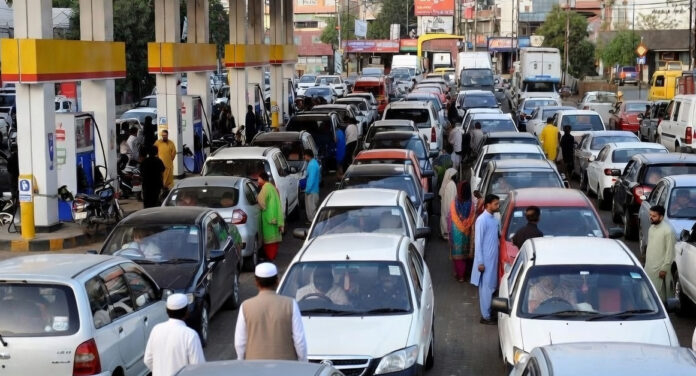
Pakistan is facing a deepening fuel shortage that has triggered what officials describe as an “oil lockdown.” In response, authorities have introduced a series of emergency measures, including mandatory work-from-home policies and a four-day workweek in some provinces.
The measures are aimed at conserving fuel as the country struggles with a severe shortage of petroleum products due to financial constraints and limited foreign currency reserves.
Fuel Reserves Under Severe Pressure
According to reports, Pakistan’s foreign exchange reserves have fallen to critically low levels, making it difficult for the country to import crude oil and refined petroleum products from global markets.
Officials say the country currently has only a few days of fuel stock remaining, raising concerns about supply disruptions across transportation, power generation, and industrial sectors.
The shortage has also led to black-market fuel trading, pushing petrol prices to record levels in several regions.
‘Oil Lockdown’ Measures Introduced
To reduce fuel consumption, the government has implemented strict nationwide measures.
Work From Home Policy
Both government and private sector offices have been instructed to adopt work-from-home arrangements, aiming to reduce vehicle usage and fuel consumption.
Four-Day Workweek
Major provinces such as Punjab and Sindh have introduced a four-day workweek, with offices closed or operating digitally from Friday through Sunday.
Electricity Cuts
The fuel shortage has also affected power generation. Authorities have introduced rolling power outages, with cities experiencing 10 to 12 hours of load shedding and rural areas facing up to 16 hours without electricity.
Early Market Closures
Shopping malls and markets have been ordered to close by 7:00 or 8:00 p.m. to reduce electricity consumption and ease pressure on the energy system.
Impact on Daily Life
The crisis is already affecting ordinary citizens across the country.
Transport Disruptions
Public transport costs have risen sharply. Bus and van fares have increased by 30% to 40%, making daily commuting significantly more expensive.
Rising Inflation
Higher fuel costs have disrupted supply chains, leading to sharp increases in food prices and essential goods, with some items reportedly doubling in price.
Government Seeks International Financial Support
Facing mounting pressure, the Pakistani government is now seeking urgent financial support from the International Monetary Fund (IMF) and allied nations including Saudi Arabia and China.
Officials hope that emergency funding will allow the country to pay for incoming oil shipments and stabilize fuel supplies.
Uncertain Outlook
Economic analysts warn that unless Pakistan secures immediate financial assistance and stabilizes its foreign reserves, the energy shortage could continue to affect transportation, industry, and daily life across the country in the coming weeks.