Jerusalem / Islamabad | April 10, 2026
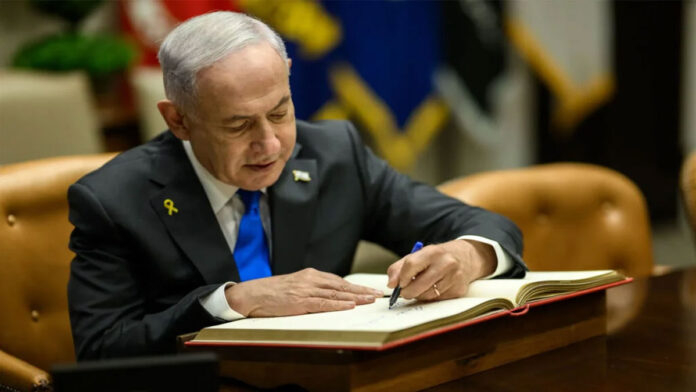
In a dramatic shift amid escalating Middle East tensions, Benjamin Netanyahu said Israel is ready to open direct talks with Lebanon—just a day after one of the deadliest rounds of strikes in the conflict.
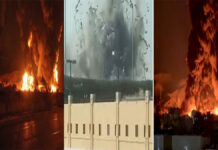
The announcement follows intense bombardment that reportedly killed over 300 people in Lebanon, raising fears of further escalation even as fragile diplomatic efforts continue.
⚠️ Ceasefire Under Pressure
The development comes as a U.S.-brokered ceasefire with Iran remains highly unstable, with multiple flashpoints threatening to derail it.
Donald Trump had announced the ceasefire late Tuesday, just hours before a stated deadline and after issuing stark warnings to Iran.
However, key disagreements between the parties persist, and ground realities suggest the truce may not hold.
Strait of Hormuz Blockade Raises Global Alarm
A major concern remains Iran’s continued restrictions in the Strait of Hormuz—a critical global energy corridor.
- Only 1 oil tanker and 5 cargo ships passed through in 24 hours
- Pre-conflict average: ~140 vessels daily
- Route accounts for ~20% of global oil and LNG supply
The disruption is already being viewed as one of the most significant threats to global energy flows in recent years.
Iran’s Strong Warning
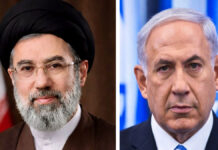
Mojtaba Khamenei issued a firm statement, signaling that Iran intends to continue its response.
He warned that the country would seek accountability and compensation for damages and hinted at a new phase in managing the Strait of Hormuz.
The remarks underline the widening gap between diplomatic efforts and on-ground tensions.
Israel Signals Shift Toward Talks
Despite recent escalation, Netanyahu indicated a willingness to pursue diplomacy with Lebanon.
The proposed talks would focus on:
- Disarming Hezbollah
- Establishing long-term stability between Israel and Lebanon
Meanwhile, Joseph Aoun confirmed that diplomatic efforts are underway, with international stakeholders viewing the initiative positively.
Diplomatic Efforts Intensify in Pakistan
In parallel, preparations are underway in Islamabad for U.S.–Iran negotiations, with heightened security measures in place ahead of the talks.
These parallel diplomatic tracks highlight the urgency of preventing a broader regional escalation.
Why This Moment Matters
- A breakdown in ceasefire could trigger wider regional conflict
- Hormuz disruption threatens global energy markets
- Israel–Lebanon talks could reshape regional dynamics
- Diplomatic outcomes may influence global economic stability
For now, the situation remains fluid—caught between fragile diplomacy and escalating tensions.