Tehran, Iran — March 9, 2026
Iran has entered a new political era after the country’s powerful clerical body selected Mojtaba Khamenei as the nation’s next Supreme Leader.
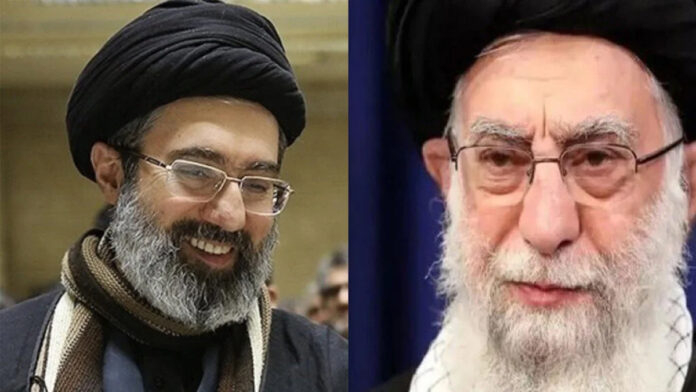
The decision was announced on March 8, 2026, when the Assembly of Experts formally appointed Mojtaba as the third Supreme Leader of Iran, following the death of his father, Ali Khamenei.
The leadership transition marks a significant moment in Iran’s modern political history and comes amid heightened geopolitical tensions in the Middle East.
Background: Death of Ali Khamenei
Iran’s former Supreme Leader Ali Khamenei died on February 28, 2026, after decades in power. He had led the country since 1989 and was one of the most influential figures in Iran’s political and religious structure.
His leadership shaped Iran’s domestic policies as well as its foreign relations, particularly in the context of tensions with the United States and Israel.
Assembly of Experts Selects New Leader
The 88-member Assembly of Experts, responsible for appointing and overseeing Iran’s Supreme Leader, convened to decide the successor.
Following internal deliberations, the council officially selected Mojtaba Khamenei to take over the country’s highest political and religious office.
The appointment marks a historic development, as it is the first time in the Islamic Republic’s history that the position has effectively passed from father to son, a move seen by many analysts as a major departure from Iran’s traditional political norms.
Who Is Mojtaba Khamenei?
The newly appointed leader, Mojtaba Khamenei, is a 56-year-old cleric and the second son of Ali Khamenei.
For years, Mojtaba was widely viewed as an influential figure behind the scenes within Iran’s political system. Analysts have often described him as a key power broker with strong connections to the Islamic Revolutionary Guard Corps.
Although he had previously maintained a relatively low public profile, his influence in political and security circles was frequently noted by observers.
Leadership Change Amid Regional Tensions
The leadership transition comes at a time of heightened regional tensions involving Iran and several global powers.
Geopolitical developments in the Middle East have intensified international focus on Iran’s leadership and its strategic direction. Observers say the new Supreme Leader’s policies could significantly shape the country’s domestic governance and foreign policy in the coming years.
International Reactions Emerging
Global reactions to the leadership change are beginning to emerge as governments and analysts assess the potential implications.
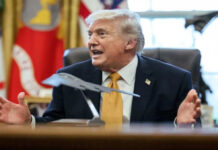
U.S. President Donald Trump commented on the development, warning that Iran’s new leadership could face continued international scrutiny.
Inside Iran, military leaders and senior political figures, including Foreign Minister Abbas Araghchi, have expressed support and loyalty toward the new Supreme Leader.
A Turning Point for Iran
Political analysts say the appointment of Mojtaba Khamenei could represent a major turning point for Iran’s political system.
As the country navigates internal challenges and international tensions, the leadership transition is expected to influence Iran’s political trajectory and its role in regional geopolitics.