Beirut, Lebanon — April 12, 2026
More than 2,000 people have been killed in Lebanon as Israeli military operations targeting Hezbollah intensify, according to the Lebanese health ministry, underscoring the growing humanitarian toll of the widening Iran-Israel conflict.
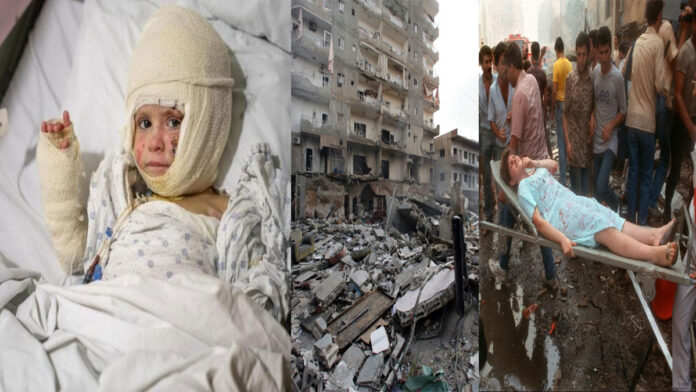
The ministry reported 2,020 fatalities and 6,436 injuries, including 248 women, 165 children, and 85 health workers, highlighting the heavy civilian impact of the ongoing strikes.
Civilian Toll Rises as Strikes Continue
Nearly 100 people were killed in the past 24 hours alone, officials said, even as a fragile Iran-related truce remains in place.
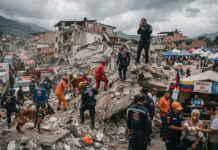
The escalation has led to widespread destruction of infrastructure, with residential areas, medical facilities, and essential services severely impacted.
Conflict Trigger and Escalation
The latest phase of violence began after Hezbollah, backed by Iran, launched missile strikes into Israel on March 2. The move was described as retaliation for earlier U.S.-Israeli attacks on Iran.
In response, Israeli forces initiated sustained air and ground operations across Lebanon, targeting Hezbollah positions but also causing extensive collateral damage.
Truce Dispute Complicates Diplomacy
A key point of contention in ongoing diplomatic efforts is the scope of a tentative ceasefire:
- The United States and Israel maintain the truce does not include Lebanon
- Iran insists the agreement should apply across the region, including Hezbollah
This disagreement has become a central obstacle in high-level negotiations between Washington and Tehran in Pakistan.
Hezbollah’s Role and Regional Risks
As Iran’s most prominent regional ally, Hezbollah remains a critical factor in the conflict’s trajectory.
Israel has called for the Lebanese government to take control and disarm Hezbollah — a proposal similar to a 2024 framework that ultimately failed to materialize.
The ongoing hostilities highlight the complexity of disentangling state and non-state actors in the region’s security landscape.
Humanitarian Crisis Deepens
The strikes have intensified an already fragile humanitarian situation in Lebanon:
- Thousands displaced from their homes
- Hospitals overwhelmed with casualties
- Critical infrastructure severely damaged
Aid agencies warn that continued escalation could push the country into a deeper humanitarian emergency.
Broader Implications
- Conflict spillover beyond Iran into Lebanon
- Rising civilian casualties and infrastructure collapse
- Increased strain on diplomatic negotiations
- Heightened risk of wider regional war
Outlook
With no clear resolution in sight and diplomatic efforts facing major hurdles, the situation in Lebanon remains volatile. Analysts warn that continued escalation could further destabilize the Middle East, complicating already fragile peace efforts tied to nuclear negotiations and regional security.