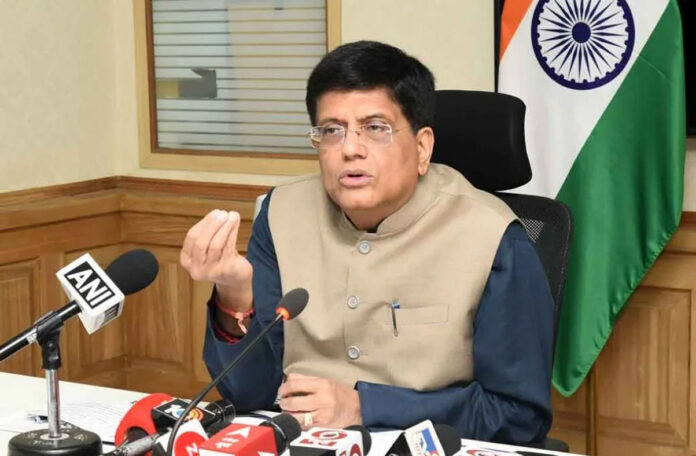
New Delhi, India — April 3, 2026
India’s Parliament has passed the landmark Jan Vishwas (Amendment of Provisions) Bill, 2026, a sweeping legal reform that removes criminal penalties from over 1,000 minor offenses across 79 laws, marking one of the most significant governance changes in recent years.
The reform aims to reduce compliance burdens, improve ease of doing business, and simplify everyday legal processes for citizens and businesses.
Major Reform Across 79 Laws
The bill introduces amendments to nearly 1,000 provisions spread across 79 parliamentary laws, including several dating back to the pre-independence era.
Piyush Goyal described the reform as “unprecedented,” stating that changes of this scale have not been seen before in India or globally.
The legislation expands upon an earlier version introduced in 2025, which initially proposed amendments to 17 laws. Following recommendations from a parliamentary committee, the scope was significantly broadened.
Decriminalization of Minor Offenses
A key feature of the new law is the removal of criminal penalties for minor and technical violations.
Instead of imprisonment, such offenses will now be treated as administrative violations, attracting fines, warnings, or corrective notices.
Examples include:
- Smoking in restricted public spaces
- Damaging public signage
- Minor compliance failures under regulatory laws
In these cases, authorities will impose financial penalties rather than initiating criminal proceedings.
Jail Terms Replaced with Monetary Penalties
The legislation replaces jail sentences with monetary fines for a wide range of minor offenses.
Previously, 183 provisions had already been decriminalized. The new bill significantly expands this number, aiming to reduce the burden on courts and eliminate unnecessary litigation.
Officials estimate that over 50 million pending cases—many involving minor violations—could benefit from this shift.
Boost to Business and Compliance Reforms
The bill also introduces reforms in sectors such as pharmaceuticals, transportation, and labor laws.
- Certain violations under drug and cosmetic regulations will now attract fines instead of imprisonment
- Driving without insurance may lead to penalties instead of jail in specific cases
- First-time or minor violations under apprenticeship regulations will result in warnings rather than strict action
These changes are expected to improve regulatory clarity and reduce compliance stress for businesses.
Graded Enforcement Framework Introduced
The new system introduces a graded enforcement mechanism, ensuring proportionate action:
- Advisory or guidance for first-time violations
- Warning notices for repeated non-compliance
- Higher penalties for continued violations
However, serious offenses remain unaffected and will continue to attract strict legal action.
Shift Away from Colonial-Era Penal Approach
The government emphasized that the reform reflects a shift away from a punitive, colonial-era legal mindset toward a trust-based governance model.
The focus is on encouraging voluntary compliance while reducing unnecessary legal pressure on honest citizens and businesses.
Additional Key Provisions
- Financial penalties will be revised, with a 10% increase every three years
- Adjudicating and appellate authorities will be established for faster dispute resolution
- Certain minor offenses—such as false fire alarms or failure to report births and deaths—have been completely removed
The government stated that the reform aligns with its long-term vision of transforming India into a developed economy by 2047.
Industry Welcomes Reform
Confederation of Indian Industry (CII) welcomed the move, stating that it will significantly reduce compliance burdens and improve the ease of doing business.
Industry leaders believe the reform will speed up dispute resolution, strengthen investor confidence, and create a more business-friendly environment in the country.