TEHRAN — May 23, 2026
Diplomatic tensions between Iran and the United States have escalated sharply as Tehran accused Washington of derailing ongoing peace negotiations through what it described as “excessive demands” and contradictory policies.
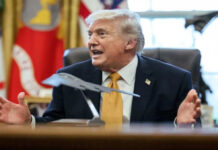
The latest developments have heightened fears of a broader military confrontation in the Middle East, especially after reports emerged that U.S. President Donald Trump canceled personal plans to remain at the White House amid discussions over possible new military action against Iran.
Iran Accuses U.S. of Weakening Diplomacy
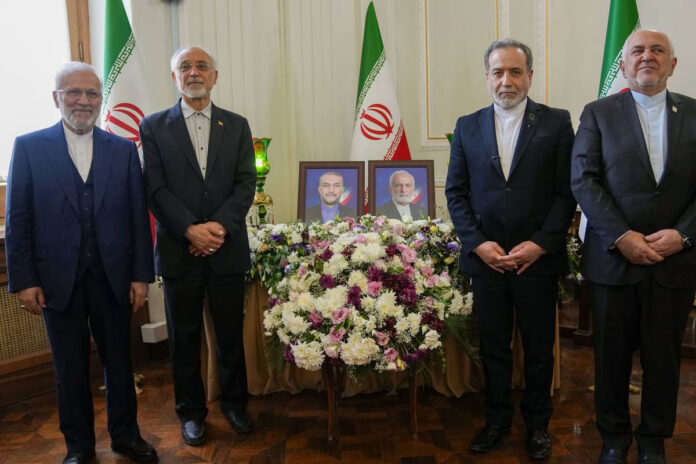
According to reports cited by Al Jazeera, Iranian Foreign Minister Abbas Araghchi held a detailed phone conversation with António Guterres regarding the deteriorating diplomatic situation.
During the conversation, Araghchi reportedly stated that Washington’s demands had become the “biggest obstacle” preventing progress in ceasefire and peace negotiations.
Iranian officials argued that the United States continues to undermine diplomatic channels through aggressive political pressure and military threats.
Tehran Questions Washington’s Intentions
Araghchi strongly criticized what he described as repeated American violations of diplomatic commitments.
According to the report, the Iranian foreign minister accused the United States of:
- Breaking previous promises
- Taking contradictory negotiating positions
- Weakening diplomacy through military aggression
He said Tehran, despite mounting pressure, remains committed to participating constructively in ceasefire discussions and pursuing a diplomatic resolution to the crisis.
The comments reflect growing frustration within Iran’s leadership over the pace and direction of the ongoing negotiations.
Trump’s Military Preparations Raise Regional Alarm
The diplomatic dispute comes as the White House intensifies internal discussions over possible military options against Iran.
Recent reports suggest President Trump has held multiple high-level meetings with senior national security officials to review contingency plans if negotiations fail to produce results.
Trump’s decision to cancel personal engagements and remain in Washington has fueled speculation that the administration may be preparing for a more aggressive response should talks collapse entirely.
Analysts say the current situation represents one of the most dangerous phases in U.S.-Iran relations in recent years.
Middle East Stability at Risk
The growing standoff is being closely monitored by international governments, energy markets, and defense analysts due to concerns over regional stability.
A direct military confrontation involving the United States and Iran could potentially disrupt:
- Global oil supplies
- Strategic shipping routes
- Middle East security dynamics
Diplomatic observers warn that without a breakthrough in negotiations, the region could move closer to a wider geopolitical crisis.
UN Monitoring Situation Closely
The United Nations is reportedly continuing efforts to encourage both sides to maintain diplomatic communication channels and avoid further escalation.
International mediators, including regional partners, are also attempting to revive ceasefire discussions before tensions intensify further.
However, with both Washington and Tehran publicly hardening their positions, hopes for an immediate breakthrough appear increasingly uncertain.