Tehran, Tel Aviv, Dubai, UAE — March 24, 2026
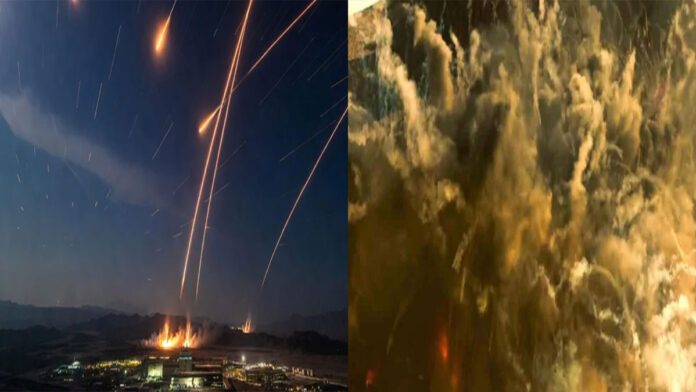
The Middle East conflict escalated sharply as Iran’s Islamic Revolutionary Guard Corps launched a new wave of missile and drone strikes targeting U.S. and Israeli assets, marking one of the most intense phases since hostilities began in late February.
The operation, described by Iranian sources as the 76th wave of “Operation True Promise-4,” targeted multiple strategic locations across the region.
IRGC Targets US Bases and Israeli Cities
According to reports, Iranian forces launched coordinated attacks on:
- U.S. military installations, including Fifth Fleet positions, Al Dhafra Air Base, and Prince Sultan Air Base
- Israeli cities such as Tel Aviv, Ashkelon, and Haifa
Iranian officials claimed direct hits on U.S.-linked facilities in Saudi Arabia and key Israeli aerospace infrastructure, though independent verification remains limited.
Heavy Damage Reported in Israel
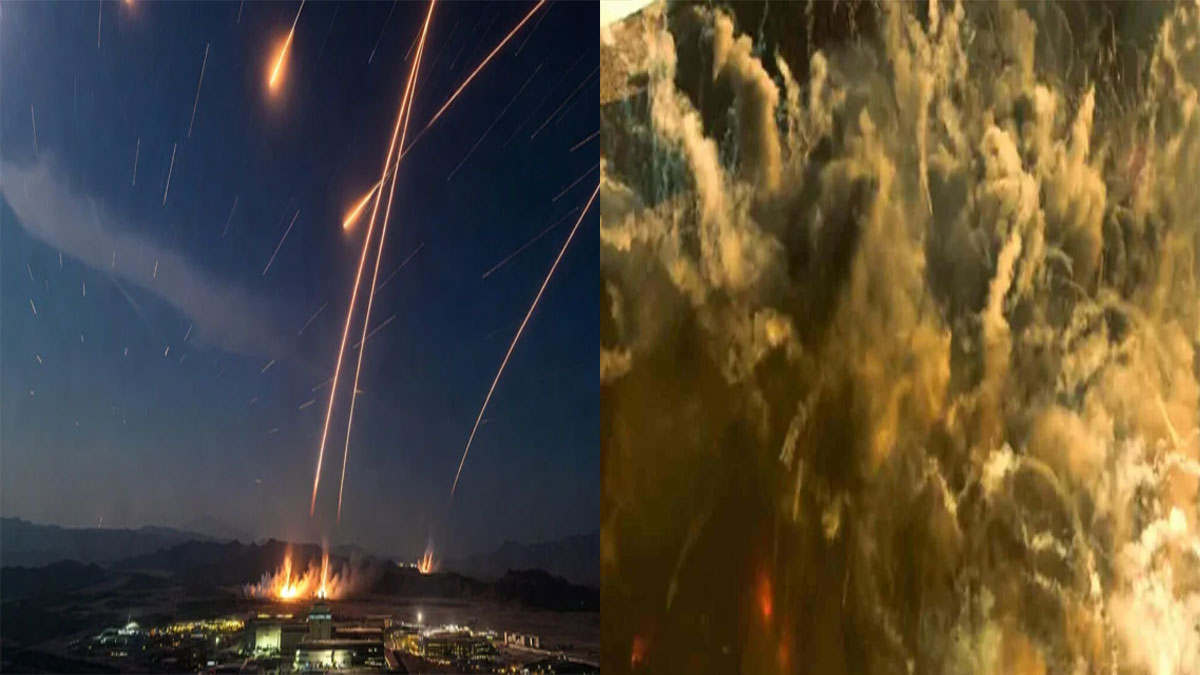
Initial reports suggest significant damage in parts of Israel from ballistic missile strikes, described as among the most severe since the conflict began.
Emergency services have been responding to multiple impact zones, with civilian areas reportedly affected.
Counterstrikes Hit Tehran, Cause Blackouts
In response, Israeli and U.S. forces conducted precision strikes on Iranian military and government-linked targets in Tehran and other locations.
The retaliatory campaign—referred to in some reports as “Operation Roaring Lion”—led to:
- Widespread power outages across Tehran
- Disruptions to critical infrastructure
- Large portions of the capital going dark
Rising Casualties and Civilian Impact
The conflict has resulted in significant human cost:
- More than 2,000 deaths reported across all sides since late February
- Civilian populations in both Iran and Israel heavily impacted
- Ongoing risks of further escalation
Strait of Hormuz Tensions Disrupt Global Supply
Iran’s leadership, under Mojtaba Khamenei, has maintained a firm stance on controlling the Strait of Hormuz, a critical global energy route.
- Approximately 20% of global oil and LNG flows pass through the strait
- Partial closures and security threats have disrupted shipping
- Some vessels are transiting under Iranian naval oversight
The situation has already contributed to sharp fluctuations in global oil prices.
Global Implications: Energy and Security Risks
The escalation is raising serious concerns worldwide:
- Potential for prolonged disruption to energy markets
- Increased risks to Gulf infrastructure, including water and power facilities
- Heightened geopolitical instability
Analysts warn that further escalation could have far-reaching economic and security consequences.
Outlook: Region on Edge
With both sides continuing military operations and diplomatic efforts appearing limited, the region remains on edge.
Key developments to watch include:
- Further military escalation or de-escalation signals
- Stability of energy supply routes
- International diplomatic intervention
The coming days are expected to be critical in determining the trajectory of the conflict.