New Delhi, India — March 30, 2026
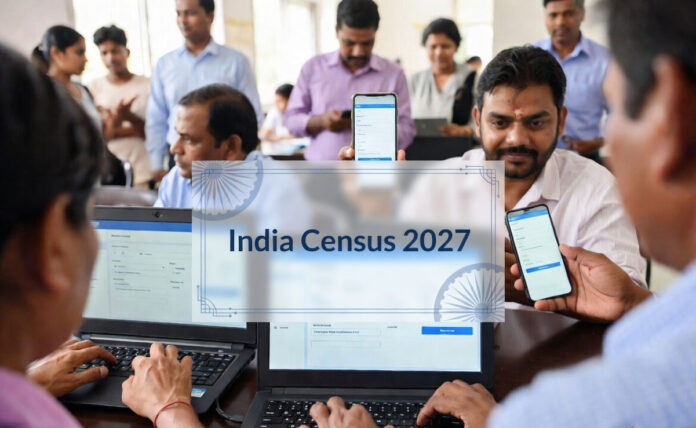
India is set to take a major leap in data collection as the upcoming Census 2027 is expected to be conducted entirely through a digital platform, allowing citizens to self-register their details online for the first time in the country’s history.
The roadmap for this ambitious transition is likely to be presented today by Mritunjay Kumar Narayan, the Registrar General and Census Commissioner of India, during an official press briefing.
Fully Digital Census: What Changes This Time?
Unlike previous census exercises that relied heavily on field enumerators, the 2027 census will introduce a self-enumeration system, enabling citizens to directly upload their information via an online portal.
Key highlights include:
- Self-data entry by citizens through a secure government portal
- Reduced dependency on field staff
- Faster and more accurate data collection
- Enhanced transparency in the census process
Officials believe that this digital transformation will make the census more efficient, reliable, and accessible, especially in urban and digitally connected regions.
Strict Rules and Legal Provisions
Authorities have issued a strong warning against any misuse or disruption of the census process. Under the Census Act, 1948:
- Providing false information or obstructing census work is a punishable offense
- Penalties may include fines up to ₹1,000
- Serious violations could lead to imprisonment of up to three years
Officials have also been cautioned against asking inappropriate or unauthorized questions, ensuring that citizens’ rights and privacy remain protected.
House Listing Phase: 33 Key Questions
The first phase of the census, known as house listing, will include 33 questions, covering:
- Household composition
- Number of married couples
- Housing conditions
- Basic amenities
This phase is expected to run for 45 days, between April 1 and September 30, with timelines varying across states and union territories.
Major Policy Shift: Live-In Couples Recognized
In a significant and progressive update, the 2027 census will, for the first time, allow live-in couples to be categorized similarly to married couples, provided they consider their relationship stable.
This clarification has emerged from responses on the upcoming self-enumeration portal, reflecting changing social dynamics and evolving household structures in India.
Why This Census Matters
The national census is a critical exercise that influences:
- Government policy planning
- Resource allocation
- Welfare schemes
- Electoral boundaries
With the move toward digitization, experts say the 2027 census could become India’s most technologically advanced population survey, setting a benchmark for future data-driven governance.
What Citizens Should Prepare For
- Keep personal and household information ready
- Ensure access to the official census portal
- Provide accurate and verified data
- Avoid misinformation or incomplete submissions