New Delhi, India — March 11, 2026
How to Prepare Your Old Vehicle for India’s New GPS-Based Toll System
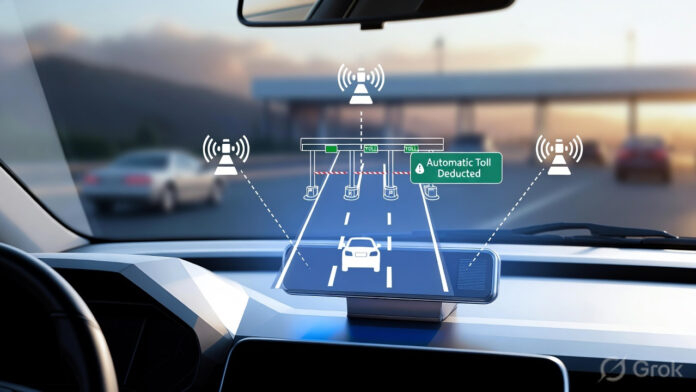
India is preparing to transition from physical toll booths to a satellite-based toll collection system powered by Global Navigation Satellite System (GNSS) technology. The new system will automatically calculate toll charges based on the distance traveled on highways.
The reform, announced by Union Road Transport Minister Nitin Gadkari, aims to eliminate toll plazas and create a seamless driving experience across national highways.
For owners of older vehicles, the government is designing a simple process to install GPS-enabled toll devices and link them with payment systems.
Step 1: Installing a GNSS Device in Older Vehicles
Older vehicles will need a small tracking device called an On-Board Unit (OBU).
What Is an OBU?
The OBU is a compact GNSS-enabled GPS device that can be attached to the vehicle’s dashboard or windshield.
Where to Install the Device
Drivers will be able to install the device through authorized centers such as:
Regional Transport Offices (RTOs)
Approved automobile dealers
Selected fuel stations
Once installed, the device will communicate with satellite systems to calculate the distance traveled on highways.
Built-In Systems in New Vehicles
Many vehicles manufactured after 2024 may already have built-in GNSS tracking systems, meaning they may not require additional installation.
Step 2: Vehicle Registration and Account Linking
After installing the device, vehicle owners will need to complete a digital registration process.
Toll Management Portal or App
The government is expected to launch a dedicated toll management portal or mobile app for users.
Linking Vehicle Registration
Drivers will link their vehicle registration certificate (RC) with the unique ID of the GNSS device.
Bank Account or Wallet Connection
Similar to the current FASTag system, the device must be linked to:
A bank account
Or a digital wallet
This allows toll charges to be automatically deducted while traveling on highways.
Step 3: What Happens if Your Vehicle Doesn’t Have GPS?
Vehicles without GNSS devices will still be able to use highways through camera-based toll identification systems.
ANPR Camera Technology
Highways will be equipped with Automatic Number Plate Recognition (ANPR) cameras at entry and exit points.
These cameras will:
Scan the vehicle’s license plate
Identify the vehicle in a central database
Deduct the toll amount from the linked account
For this system to work, vehicles must have a High Security Registration Plate (HSRP).
Key Benefits of the New Toll System
The GNSS-based toll system could significantly improve travel efficiency.
No More Toll Booth Queues
Drivers will no longer need to stop or slow down at toll plazas.
Pay Only for Distance Traveled
Instead of paying for an entire toll section, drivers will be charged only for the actual distance driven on the highway.
Fuel Savings
Continuous driving without stopping will help reduce fuel consumption and emissions.
Important Preparations for Vehicle Owners
Experts advise vehicle owners to complete a few preparations before the system becomes mandatory.
Upgrade to HSRP Number Plates
Vehicles without HSRP license plates should upgrade immediately, as the ANPR system relies on high-security plates for accurate identification.
Update KYC Information
Drivers should ensure their bank account or FASTag-linked accounts have updated KYC information, which will help avoid payment issues when the GNSS system becomes active.