Brussels, Belgium — April 20, 2026
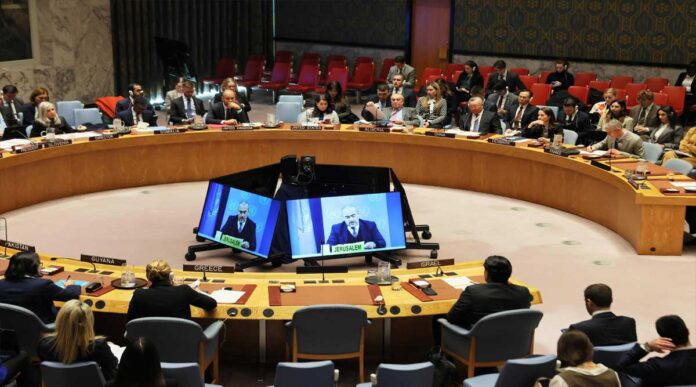
The European Union has convened a high-level international conference in Brussels, bringing together representatives from more than 60 countries to address long-term peace, security, and reconstruction efforts in Gaza, the West Bank, and Israel.
The summit reflects the EU’s growing ambition to play a more prominent role in Middle East diplomacy amid ongoing regional tensions.
Focus on Two-State Solution and Post-Conflict Recovery
Key leaders attending the conference include Palestinian Prime Minister Mohammad Mustafa and EU foreign policy chief Kaja Kallas. Discussions are centered on reviving momentum toward a two-state solution, widely seen as a long-term framework for resolving the Israeli-Palestinian conflict.
Delegates are also addressing post-conflict reconstruction strategies, governance challenges, and mechanisms to ensure sustainable peace in the region.
Ceasefire, Aid, and Security Take Center Stage
The agenda includes critical issues such as:
- Implementation and monitoring of ceasefire agreements
- Delivery and coordination of humanitarian aid to Gaza
- Strengthening regional security frameworks
The conference also involves participation from major global powers, highlighting the international community’s shared interest in stabilizing the region.
Geopolitical Context Shapes Discussions
The summit comes at a time of heightened geopolitical complexity, including tensions linked to the Iran-Israel conflict and broader instability in neighboring regions such as Lebanon.
Strained negotiations between the United States and Iran, along with ongoing military developments, have added urgency to diplomatic efforts led by the EU.
EU Seeks Greater Influence in Middle East Diplomacy
By hosting this large-scale conference, the European Union is positioning itself as a key mediator capable of promoting multilateral solutions. Analysts note that the EU’s initiative could help balance the influence of other global powers involved in the region.
The bloc aims to translate discussions into tangible outcomes, including potential aid commitments and renewed diplomatic engagement.
Potential Global Impact
If successful, the conference could:
- Revitalize stalled peace negotiations
- Accelerate humanitarian assistance to affected populations
- Influence ceasefire stability and enforcement
- Impact global energy markets and security dynamics tied to Middle East stability
While no immediate agreements have been announced, the gathering signals renewed international focus on resolving one of the world’s most enduring conflicts.