
Washington, D.C. | February 12, 2026
A new controversy has emerged in Washington after members of Congress accused the U.S. Department of Justice (DOJ) of withholding critical names in documents related to convicted sex offender Jeffrey Epstein.
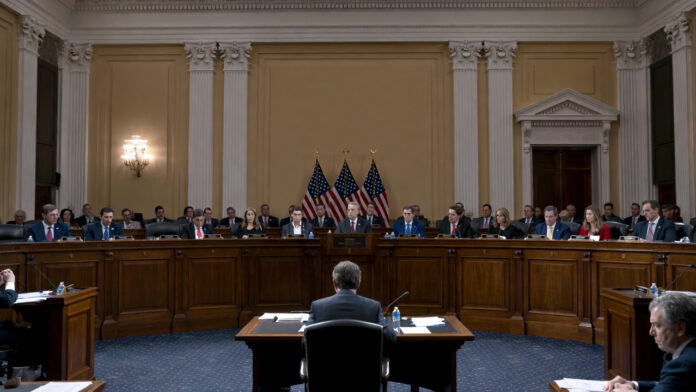
During a congressional committee hearing, lawmakers questioned Attorney General Pam Bondi over redactions in recently released Epstein files. Republican members argued that despite legal requirements to disclose information, portions of the documents — including names of alleged associates — were heavily blacked out.
Thomas Massie Questions DOJ’s Handling of Documents
Republican Representative Thomas Massie directly challenged Bondi during the hearing. He alleged that billionaire businessman Leslie Wexner had been listed among potential co-conspirators in sex trafficking investigation records but that his name was redacted in released materials.
Massie described the move as a “serious failure” to comply with congressional directives.
In response, Bondi stated that Wexner’s name appeared in other released documents and was unredacted within 40 minutes after the issue was raised. She maintained that the department acted promptly once concerns were brought forward.
Lawmakers Criticize Scope of Redactions
Several members of the committee expressed frustration that the documents contained extensive redactions. They argued that the law authorizing the release of the files allowed only limited exemptions, yet entire sections and names appeared blacked out.
Last month, the DOJ released what it described as a final set of more than three million pages related to the Epstein investigation. However, critics contend that significant information was still withheld.
DOJ Defends Actions, Cites Victim Protection
Bondi defended the department’s review process, stating that hundreds of attorneys worked under tight deadlines to examine the documents before publication.
She emphasized that protecting victims’ identities was a primary objective. If any victims’ names appeared in released files, she said, it would have been unintentional.
Bondi also characterized some of the criticism during the hearing as politically motivated.
Trump’s Past Association Resurfaces in Debate
The Epstein case has regained public attention partly because of its past connections to high-profile individuals, including former President Donald Trump.
Epstein died in jail in 2019 while awaiting trial on federal sex trafficking charges. His death, officially ruled a suicide at the time, continues to draw scrutiny and speculation in public discourse.
The renewed debate has intensified political sensitivities surrounding the DOJ’s role and its handling of high-profile investigations.
Broader Questions About DOJ Independence
The hearing comes amid broader discussions about the Justice Department’s independence and impartiality. Some lawmakers argue that political considerations may be influencing enforcement decisions.
The DOJ has rejected those claims, stating that its actions are guided by law and procedure.
As the Epstein files controversy continues, additional legal and political developments appear likely in the coming weeks.