
Mumbai, India — April 30, 2026
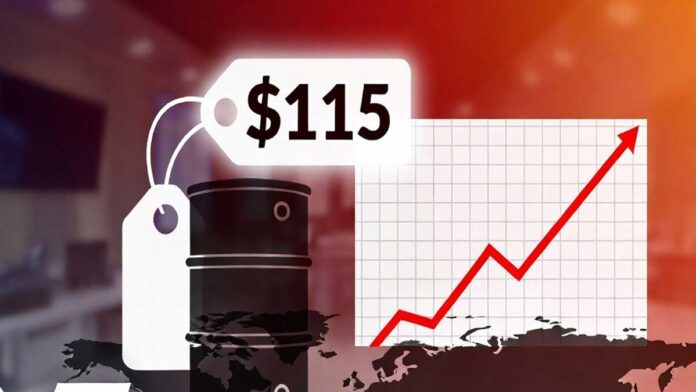
Global oil markets have entered a period of heightened volatility, with Brent crude prices surging above $115 per barrel, intensifying pressure on oil-importing economies such as India. The sharp rise is being driven by escalating geopolitical tensions and supply disruptions in critical energy corridors.
As of April 30, Brent crude is trading between $115.48 and $118.03 per barrel, marking a sustained upward trend. Prices have climbed more than 5.5% over the past four weeks and nearly 86% year-on-year, reflecting one of the steepest rallies in recent history.
India’s imported crude mix, often referred to as the Indian basket, has also risen to approximately $112 per barrel, further increasing the country’s energy import burden.
Strait of Hormuz Disruption Sparks Supply Shock
A major trigger behind the surge is the disruption in the Strait of Hormuz, one of the world’s most critical oil transit routes. The corridor, which handles nearly 20% of global oil shipments, is currently facing severe restrictions due to naval blockades and ongoing conflict.
Market participants warn that prolonged disruption in this region could significantly tighten global oil supply, sustaining elevated prices.
Escalating US-Iran and Regional Conflict
Rising tensions involving the United States and Iran have further intensified concerns. Reports of a potential prolonged siege of Iranian ports and stalled diplomatic negotiations have amplified fears of a lasting supply shock.
At the same time, continued hostilities between Israel and Iran have added a substantial geopolitical “war premium” to global energy prices.
Pressure Mounts on Indian Rupee
The oil price surge is directly impacting India’s currency dynamics. As one of the world’s largest crude importers—relying on 85–90% of its oil needs from overseas—India faces a sharp rise in its import bill.
Higher oil costs increase demand for the US Dollar, putting downward pressure on the rupee. The Indian currency has recently weakened to levels between 94.85 and 95.58 against the dollar, hovering near record lows.
Additionally, rising geopolitical risks have triggered a “risk-off” sentiment among global investors, leading to capital outflows from Indian markets.
Inflation and Growth Outlook Under Strain
Economists are warning of broader macroeconomic consequences if oil prices remain elevated. According to estimates from Kotak Mahindra Asset Management Company, a 10% increase in oil prices could push consumer inflation higher by around 20 basis points.
Meanwhile, Goldman Sachs has revised India’s GDP growth forecast for 2026 to 5.9%, down from an earlier projection of 7%, citing sustained energy price shocks and external risks.