New Delhi, India — April 5, 2026
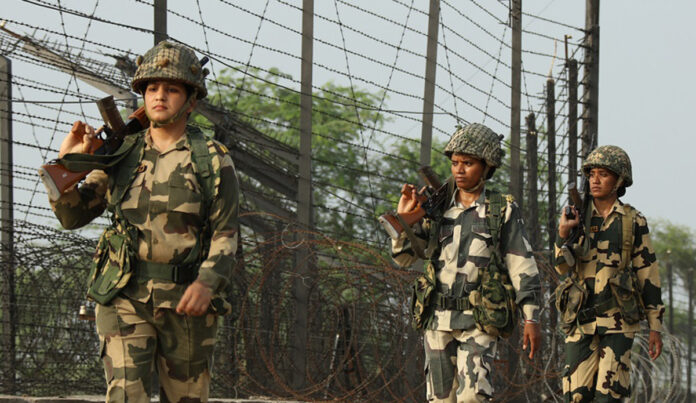
In a significant development ahead of the upcoming assembly elections in five states, the Border Security Force (BSF) has been tasked with verifying voter identification and monitoring CCTV systems at polling booths. The move is part of broader security arrangements aimed at ensuring free and fair elections, but it has also triggered political reactions.
Large-Scale Deployment of Central Forces
The elections in Assam, Kerala, Puducherry, Tamil Nadu, and West Bengal will see extensive deployment of central armed police forces.
- Estimated deployment: 250,000 to 300,000 personnel
- Objective: Ensure peaceful, impartial, and secure polling
Officials stated that the deployment scale reflects the sensitivity and importance of the elections.
BSF Role at Polling Booths
Under the new directive:
- Each polling station will have one male and one female BSF personnel
- BSF will verify voter ID cards at entry points
- BSF personnel will control and monitor CCTV systems installed at polling booths
The forces will also ensure that surveillance systems are functioning properly and that real-time monitoring is maintained throughout the voting process.
Administrative Changes in Election Duty
The BSF headquarters has issued additional instructions regarding personnel deployment:
- Officers of Inspector rank and above who were deployed in the same states during the 2024 general elections will be removed from current election duty
- Units have been directed to prepare and replace such officers immediately
- Frontier headquarters will oversee the execution of these changes
The directive aims to maintain neutrality and avoid any potential conflicts of interest.
Opposition Raises Concerns
The decision has drawn criticism from opposition leaders, including Mahua Moitra of the Trinamool Congress.
She alleged that assigning voter ID verification duties to BSF personnel could conflict with established norms of the Election Commission of India. Traditionally, voter identification is handled by polling officials appointed by the commission.
Opposition leaders have also raised concerns that granting BSF control over CCTV monitoring may overlap with the Election Commission’s supervisory responsibilities.
Election Oversight and Protocol
Election authorities have not yet publicly responded to the concerns. However, security agencies maintain that the measures are designed to strengthen transparency and prevent irregularities.
Experts note that while central forces are routinely deployed for security during elections, any expansion of their functional role may require clear alignment with Election Commission guidelines.
What Happens Next?
As preparations for the elections continue, clarity on operational roles and adherence to established protocols will remain critical. The implementation of these directives is expected to be closely watched by political stakeholders and observers.