TEHRAN | July 1, 2026
Iran-US Peace Talks Put on Hold Pending Implementation of Initial Agreement
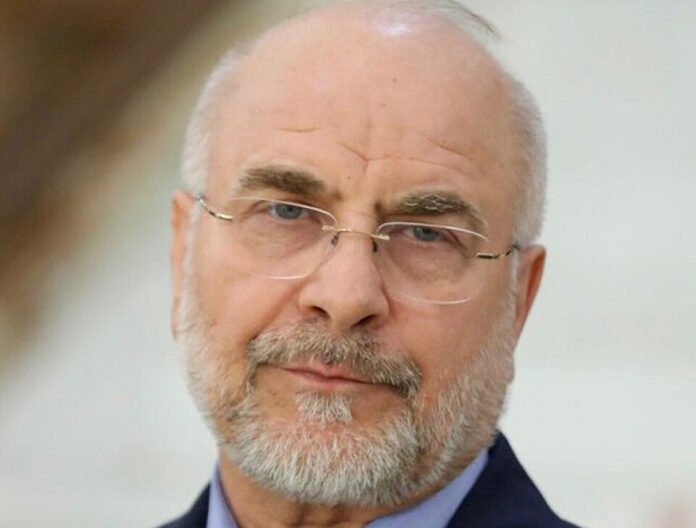
Iran-US Peace Talks will not move to the next stage until several key provisions of the recently signed peace memorandum are implemented, according to Iranian Parliament Speaker Mohammad Bagher Ghalibaf, who outlined Tehran’s position on the future of negotiations with the United States.
Speaking in an interview with Iran’s state broadcaster IRIB TV, Ghalibaf said Iran would not begin negotiations on a final peace agreement until the initial commitments outlined in the memorandum of understanding (MoU) have been fulfilled.
The comments come as both countries prepare for another round of diplomatic engagement aimed at reducing regional tensions and addressing broader security concerns.
Iran Lists Five Initial Conditions
Ghalibaf said the recent visit by the Iranian delegation to Switzerland focused on implementing several commitments contained in the peace memorandum.
According to him, the initial priorities include:
- Ending the conflict involving Lebanon.
- Lifting the U.S. naval blockade.
- Reopening the Strait of Hormuz.
- Continuing U.S. sanctions waivers for Iranian crude oil exports.
- Releasing Iranian financial assets that remain frozen abroad.
He stated that progress on these five measures must be completed before additional provisions of the agreement can move forward.
Implementation Comes Before Final Negotiations
The Iranian Parliament Speaker emphasized that Tehran considers implementation of the initial commitments a prerequisite for launching negotiations on a comprehensive final agreement.
He said no further stages of the peace process would begin until these obligations are fulfilled by all parties involved.
According to Ghalibaf, Iran remains committed to diplomacy while maintaining what he described as the country’s right to respond decisively when necessary.
Joint Committee Planned for Lebanon Ceasefire
Ghalibaf also disclosed that Iran, the United States, and Lebanon have agreed in principle to establish a joint committee to oversee implementation of the Lebanon ceasefire and support efforts to preserve Lebanon’s sovereignty.
He said Iran and the United States have already nominated their respective representatives for the proposed mechanism, while the remaining arrangements are expected to be finalized through continued diplomatic engagement.
The committee is intended to monitor ceasefire implementation and facilitate coordination among the participating parties.
Trump Says Iran Agrees Not to Develop Nuclear Weapons
Meanwhile, U.S. President Donald Trump said Iran has agreed not to pursue nuclear weapons ahead of the next round of talks expected to take place in Doha, Qatar.
Speaking to reporters, Trump expressed confidence that the United States was making progress through both diplomatic and military channels.
He reiterated Washington’s position that Iran would not be permitted to develop nuclear weapons under any circumstances.
Doha Talks Expected to Shape Next Phase
Trump confirmed that U.S. officials had already departed for Qatar to participate in the upcoming negotiations.
He described the Doha meeting as potentially significant while acknowledging that its ultimate impact would depend on the discussions themselves.
“The meeting in Doha could be very important—or it may not be. We’ll find out,” Trump said while expressing optimism about continued diplomatic engagement.
Military Pressure and Diplomacy Continue in Parallel
The U.S. president also suggested that recent military developments had strengthened Washington’s negotiating position.
Trump said the United States believes it has gained leverage following recent military actions directed at Iran’s nuclear program, while continuing to pursue a diplomatic resolution to outstanding disputes.
His remarks underscore the dual-track strategy of combining diplomacy with deterrence as negotiations continue.
Background of the Peace Process
The latest developments follow the signing of a peace agreement between Iran and the United States on June 18, aimed at reducing regional tensions and creating a framework for broader negotiations.
Following mediation efforts involving Pakistan and Qatar, senior representatives from both countries began formal discussions in Switzerland on June 22 to advance implementation of the agreement.
The talks are intended to address multiple regional security issues alongside broader bilateral concerns.
Regional and Global Implications
The evolving peace process has drawn international attention because of its potential implications for:
- Regional stability in the Middle East.
- Maritime security in the Persian Gulf.
- Global energy markets.
- International shipping through the Strait of Hormuz.
- Nuclear non-proliferation efforts.
- Diplomatic engagement between Tehran and Washington.
Observers will closely watch whether the initial confidence-building measures outlined by Iran are implemented before negotiations on a comprehensive settlement begin.
Outlook
The future of Iran-US Peace Talks now depends on the implementation of the initial commitments contained in the recently signed peace memorandum. While Tehran insists that progress on five key provisions must come first, Washington continues to express optimism ahead of the next round of negotiations in Doha.
With both sides signaling continued engagement—but attaching different priorities to the process—the coming weeks are expected to be critical in determining whether the diplomatic initiative can advance toward a broader and more durable agreement.