LIMA, Peru | July 3, 2026
Keiko Fujimori Wins Peru Presidential Election After Fourth Bid, Promises ‘Order and Hope’
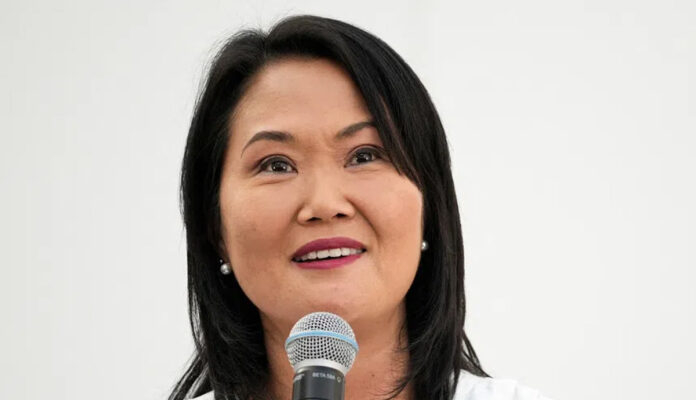
Keiko Fujimori Peru Election reached a dramatic conclusion as Keiko Fujimori secured Peru’s presidency on her fourth attempt, narrowly defeating left-wing candidate Roberto Sánchez in one of the closest presidential races in the country’s recent history.
The victory marks a major political comeback for the 51-year-old leader of the Fuerza Popular (Popular Force) party, who had previously lost three presidential elections despite remaining one of Peru’s most prominent political figures. Her election is also being viewed as another sign of the renewed momentum of conservative politics across Latin America.
Official Results Confirm Razor-Thin Victory
According to Peru’s official election authorities and the Andina News Agency, Fujimori won the June 7 presidential runoff by fewer than 50,000 votes out of more than 18 million ballots cast.
The final certified results showed:
- Keiko Fujimori (Fuerza Popular): 50.135%
- Roberto Sánchez (Together for Peru): 49.865%
Because of the exceptionally narrow margin, Peru’s National Jury of Elections spent several weeks reviewing disputed ballots before formally declaring Fujimori the winner on July 3.
Fujimori Pledges to Restore ‘Order and Hope’
Following the official declaration, Fujimori thanked voters and outlined her priorities for the new administration.
In a message posted on X, she said Peru is moving closer each day to restoring “order and hope” for all Peruvians.
Her campaign centered on strengthening public security, restoring political stability, and rebuilding confidence in government after years of institutional turmoil.
Election Focused on Crime and Political Instability
The presidential race was dominated by concerns over rising crime, organized extortion, contract killings, and prolonged political instability.
Peru has experienced extraordinary political turbulence during the past decade, with eight presidents serving in roughly ten years through elections, resignations, impeachments, and constitutional crises.
Public frustration has also fueled repeated street demonstrations, particularly among younger Peruvians demanding political reform and greater government accountability.
Against this backdrop, Fujimori campaigned on promises of stronger law enforcement and a more stable administration.
Legacy of Alberto Fujimori Remains Central
Keiko Fujimori’s political career has long been shaped by the legacy of her father, former President Alberto Fujimori.
Supporters credit his administration during the 1990s with defeating Maoist insurgent groups and stabilizing Peru’s economy after a period of hyperinflation.
However, his presidency also remains deeply controversial.
Alberto Fujimori was later convicted on corruption and human rights charges related to his government’s counterterrorism campaign. He fled Peru before eventually being extradited, tried, and imprisoned.
As a result, the Fujimori name continues to evoke sharply divided opinions across Peruvian society.
For many voters, it symbolizes decisive leadership; for others, it represents authoritarian rule and abuses of power.
Roberto Sánchez Questions Election Process
Left-wing candidate Roberto Sánchez did not immediately respond following the official announcement of the results.
Earlier in the counting process, Sánchez briefly held a narrow lead before Fujimori overtook him as additional ballots were counted.
Prior to certification of the results, Sánchez indicated that he would not recognize a government led by his opponent, alleging administrative irregularities involving overseas ballots.
Election authorities nevertheless completed their review before confirming Fujimori’s victory.
India-US Trade Deal Enters Final Stage as US Envoy Says Agreement Is in the ‘Last 1-2%’
Fourth Attempt Finally Brings Success
The 2026 election represents the culmination of Fujimori’s long pursuit of Peru’s highest office.
Despite establishing herself as one of the country’s most influential political figures, she had previously failed in three presidential campaigns.
Political analysts have frequently attributed those defeats to the deeply polarizing legacy associated with the Fujimori family name.
This year, however, she adopted a noticeably different campaign strategy, emphasizing moderation, optimism, and national unity rather than confrontation.
Her messaging sought to broaden support beyond her traditional political base.
From First Lady to President
Keiko Fujimori first entered public life at the age of 19, when she assumed the role of Peru’s First Lady after her mother publicly separated from then-President Alberto Fujimori.
She later studied business administration in the United States before launching her own political career.
Over the following decades, she built one of Peru’s strongest political organizations while simultaneously facing persistent criticism linked to her father’s administration.
A Polarizing Political Figure
Throughout her career, Keiko Fujimori has remained one of Peru’s most recognizable—and divisive—politicians.
Her supporters view her as an experienced leader capable of restoring stability and confronting rising crime.
Critics argue that the political legacy of the Fujimori family raises continuing concerns about governance and democratic institutions.
The close election result illustrates the continuing political divide within Peru.
Challenges Await the Incoming Administration
When Fujimori takes office on July 28 for a five-year presidential term, she will inherit significant domestic challenges, including:
- Rising organized crime
- Public security concerns
- Political polarization
- Institutional instability
- Economic recovery
- Public confidence in government
Her administration will face pressure to deliver measurable improvements while governing a politically divided nation.
Latin America’s Political Landscape Continues to Shift
Fujimori’s victory also reflects broader political changes occurring across Latin America, where several countries have recently witnessed shifts in voter preferences amid concerns over inflation, crime, governance, and economic growth.
Observers will closely watch whether Peru’s new government can deliver the stability that many voters demanded during the election campaign.
Outlook
The Keiko Fujimori Peru Election marks one of the most significant political developments in Latin America this year. After three unsuccessful presidential campaigns, Keiko Fujimori has finally secured Peru’s highest office through an exceptionally narrow victory.
Her presidency now begins amid high public expectations, deep political divisions, and significant security and economic challenges. Whether she can fulfill her pledge to restore “order and hope” will shape Peru’s political trajectory over the next five years and influence the country’s role within the broader Latin American region.