KOLKATA, India — June 6, 2026
Owaisi Slams Bengal Welfare Eligibility Rule, Questions Linking Government Benefits to Voter Lists
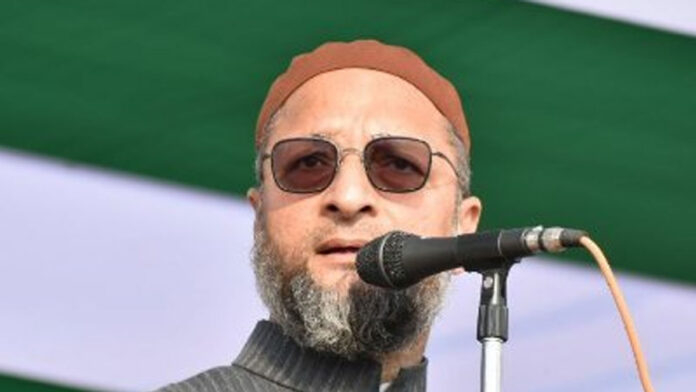
Owaisi Slams Bengal Welfare Eligibility Rule as AIMIM president and Member of Parliament Asaduddin Owaisi voiced strong objections to a policy framework in West Bengal that links eligibility for certain welfare schemes to inclusion in the electoral roll.
The Hyderabad MP argued that the move could adversely affect genuine residents whose names may have been excluded from voter lists during verification exercises, potentially depriving them of access to subsidized food grains and other government-supported welfare benefits.
His remarks have added a new dimension to the ongoing debate surrounding voter verification, welfare distribution, and citizenship-related eligibility criteria in the state.
Concerns Over Voter List-Based Eligibility
Speaking on the issue, Owaisi expressed concern that several genuine citizens may have been omitted from electoral rolls during the Special Intensive Revision (SIR) process or similar verification exercises.
According to him, some individuals may have been mistakenly classified as absent, relocated, or otherwise unavailable during the revision process. Others may have encountered administrative issues, including not receiving voter slips during previous elections.
As a result, Owaisi argued that linking access to welfare benefits directly to voter registration could create hardship for vulnerable sections of society.
The statement that Owaisi Slams Bengal Welfare Eligibility Rule centers on the broader question of whether electoral registration should serve as a primary criterion for determining access to public welfare programs.
Questions Raised Over Welfare Policy Design
The AIMIM leader questioned why access to food assistance, subsidies, or other welfare programs should depend solely on a person’s inclusion in voter lists.
He argued that India already maintains multiple identification and verification systems designed to establish identity and eligibility. According to Owaisi, if electoral rolls become the ultimate benchmark for welfare access, questions naturally arise regarding the purpose and effectiveness of other identity verification mechanisms.
Owaisi further emphasized that welfare schemes are funded through public resources and taxpayer contributions. Therefore, he argued, access to government assistance should be determined through transparent and inclusive verification processes rather than administrative exclusions that may affect legitimate beneficiaries.
Concerns for Vulnerable Communities
The issue has drawn attention because of its potential impact on economically weaker and socially disadvantaged groups.
Owaisi suggested that women, Scheduled Castes, minority communities, and low-income households could face additional challenges if voter-list-based verification becomes a determining factor for accessing welfare benefits.
According to him, any administrative process that inadvertently excludes eligible citizens could increase difficulties for families that depend on government assistance for food security and financial support.
The debate surrounding Owaisi Slams Bengal Welfare Eligibility Rule has therefore expanded beyond electoral matters and into broader questions of social welfare administration and public policy.
Political Criticism and Governance Debate
The controversy has also intensified political disagreements over governance and administrative practices in West Bengal.
Opposition voices have raised concerns regarding the implementation of welfare programs and the management of public resources. Critics have called for greater transparency and accountability in the allocation and monitoring of funds intended for development and social welfare initiatives.
Some opposition leaders have argued that administrative shortcomings and governance challenges have affected the effectiveness of welfare delivery mechanisms. They contend that stronger oversight is necessary to ensure that benefits reach eligible recipients without unnecessary barriers.
At the same time, supporters of stricter verification measures argue that robust eligibility checks are essential to prevent misuse of public funds and ensure that government resources are directed toward lawful beneficiaries.
Citizenship and Eligibility Remain Central Issues
The discussion has also touched on broader questions related to citizenship and legal eligibility for welfare programs.
Supporters of the policy maintain that government-funded assistance programs should primarily benefit legally recognized citizens and properly registered residents. They argue that verification measures are necessary to maintain the integrity of welfare systems and ensure compliance with existing laws.
Reference has been made to welfare initiatives such as Lakshmir Bhandar and Annapurna Bhandar, with proponents emphasizing that eligibility requirements must align with applicable legal and administrative frameworks.
Under this view, individuals who have not completed required legal documentation or registration procedures may need to regularize their status through established legal channels before becoming eligible for certain government benefits.
Debate Likely to Continue
The controversy highlights the ongoing tension between ensuring accurate beneficiary verification and protecting access to welfare programs for vulnerable populations.
As Owaisi Slams Bengal Welfare Eligibility Rule, the discussion is expected to remain a significant political and policy issue in West Bengal. Questions surrounding voter registration, citizenship documentation, welfare eligibility, and administrative fairness are likely to continue shaping public debate in the months ahead.
With political parties presenting competing perspectives on how welfare programs should be administered, the issue remains at the intersection of governance, public welfare, and electoral policy.