Tehran, May 27, 2026
Iran US Tensions have intensified once again after Tehran accused Washington of violating ceasefire understandings following recent US military strikes in southern Iran. The Iranian government has strongly criticized the United States, warning that any aggression against the country will receive a direct response.
The latest escalation comes at a sensitive moment when both nations were reportedly engaged in indirect discussions in Qatar aimed at extending ceasefire arrangements and reducing tensions in the Gulf region.
At the same time, Iran has started gradually restoring internet services after months of restrictions imposed during the conflict period. However, concerns over the Strait of Hormuz, global oil supply routes, and the future of diplomatic negotiations continue to keep the international community on high alert.
What Triggered the Latest Iran-US Confrontation?
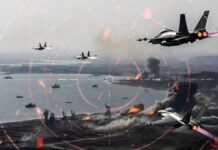
According to reports, the US military carried out targeted strikes on several locations in southern Iran on Monday.
Washington stated that the operation was defensive in nature and focused on missile launch sites and boats allegedly involved in laying naval mines in strategic waters near the Gulf region.
US officials claimed the strikes were conducted with restraint and were intended to prevent further security threats in the region.
Iran, however, strongly rejected the US explanation and accused Washington of acting in bad faith.
Iran’s Foreign Ministry stated that the attacks amounted to a direct violation of ceasefire understandings and warned that the United States could no longer be considered trustworthy.
Tehran also declared that Washington would bear full responsibility for any consequences resulting from the escalation.
Iran Claims Drone Interception During Tensions
Iran’s Revolutionary Guard Corps claimed that its air defense systems intercepted hostile aerial activity during the confrontation.
According to Iranian state-linked reports, one drone entering Iranian airspace was allegedly shot down, while another drone and a fighter aircraft were forced to retreat from the area.
The claims have further fueled regional tensions and increased fears of wider military escalation involving Gulf shipping routes and strategic infrastructure.
Military analysts believe the growing confrontation highlights the fragile security situation in the Middle East, especially around maritime corridors critical to global energy supplies.
Ceasefire Talks and Diplomatic Efforts Under Pressure
The latest strikes have placed ongoing diplomatic discussions between Iran and the United States under significant strain.
Reports indicated that talks had been taking place in Qatar with the objective of extending ceasefire arrangements and stabilizing regional conditions.
However, after the recent attacks, uncertainty has increased regarding the future of those negotiations.
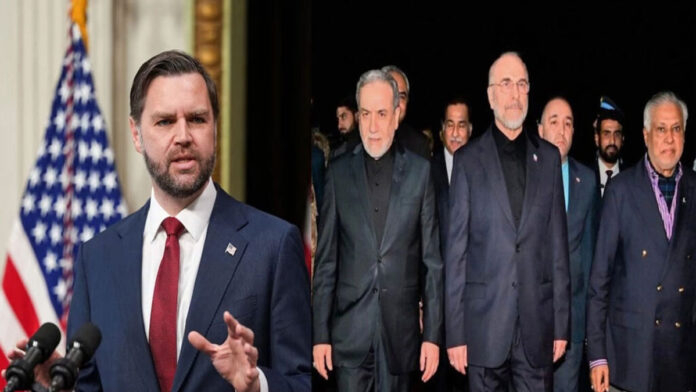
Iranian state media reported that Parliament Speaker Mohammad Bagher Ghalibaf and Foreign Minister Abbas Araghchi have already returned from Qatar following the latest developments.
No official details have been provided regarding the next phase of diplomatic strategy.
Meanwhile, US Secretary of State Marco Rubio stated that discussions regarding the ceasefire and the reopening of the Strait of Hormuz may still require several more days.
The remarks highlighted the growing trust deficit between both nations despite ongoing communication efforts.
Internet Services Gradually Restored in Iran
Iran has also started gradually restoring internet access after months of restrictions linked to wartime security concerns.
Authorities stated that the shutdown had been imposed to protect national security and prevent cyber-related threats during the conflict period.
Broadband services have reportedly resumed in some areas, although mobile internet access remains partially restricted in several regions.
The prolonged internet shutdown had significantly disrupted communication across the country and affected millions of Iranians living abroad who were unable to contact family members.
Online businesses and digital services also suffered severe economic losses.
According to reports, the Iranian economy was losing nearly $30 million to $40 million per day during the internet shutdown period.
The country has previously imposed similar restrictions during periods of anti-government protests and internal unrest.
Spy Execution and Hormuz Strait Concerns Deepen Crisis
Amid the escalating tensions, Iran also announced the execution of an individual accused of spying for Israel’s intelligence agency Mossad.
According to Iran’s Mizan Online news agency, Gholamreza Khani Shakarab was accused of working for Mossad and recruiting individuals for intelligence operations.
The execution further intensified geopolitical concerns in the region.
At the same time, international attention remains focused on the strategically critical Strait of Hormuz, through which a major portion of the world’s oil and gas supply passes.
Following the outbreak of tensions, Iran had significantly restricted movement through the waterway.
Iranian authorities are now reportedly allowing limited numbers of ships to pass while also imposing transit-related charges.
The Revolutionary Guard claimed that 25 ships were allowed to cross the strait during the previous 24 hours.
Global Economic Concerns Continue Rising
The growing instability around the Strait of Hormuz has increased concerns across global financial and energy markets.
Any disruption to shipping activity in the Gulf region could impact:
- Global oil prices
- Natural gas supply chains
- Fertilizer exports
- Food production costs
- International shipping routes
The United Nations Food and Agriculture Organization (FAO) has reportedly warned that prolonged instability in the Gulf could contribute to worsening global food security in the coming years.
Shipping activity in the Gulf region has already slowed as companies assess rising security risks.
Additional concerns emerged after reports surfaced regarding an explosion aboard a tanker in the Gulf of Oman on Tuesday, although no casualties were reported.
Middle East Tensions Raise Global Security Concerns
The latest confrontation between Iran and the United States has once again raised fears of broader instability across the Middle East.
Global powers continue closely monitoring developments involving Iran, the United States, and Israel, particularly due to the strategic importance of Gulf energy routes to the world economy.
Analysts believe prolonged military escalation could trigger significant volatility in energy markets and further disrupt already fragile geopolitical conditions.
The situation also remains highly sensitive because any prolonged disruption in the Strait of Hormuz could affect international trade, inflation, and fuel prices globally.