
New Delhi, May 27, 2026
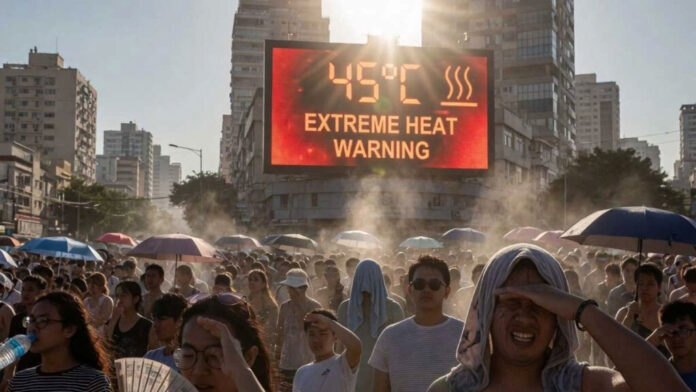
Weather Update: Large parts of North and Central India continue to struggle under an intense heatwave as temperatures remain dangerously high across several states. The India Meteorological Department (IMD) has warned that severe heat conditions are likely to persist for the next few days before a possible weather change after May 29 due to the impact of a western disturbance.
Uttar Pradesh’s Banda emerged as the hottest city in the country on Tuesday with a scorching maximum temperature of 47.6 degrees Celsius. Several regions across Delhi-NCR, Rajasthan, Haryana, Punjab, Madhya Pradesh, and Chhattisgarh also recorded temperatures close to or above 45 degrees Celsius, making outdoor conditions extremely difficult for residents.
The ongoing heatwave has disrupted normal life in many cities as people continue facing extreme sunlight, hot winds, and rising health concerns linked to heatstroke and dehydration.
Why Is India Experiencing Such Extreme Heat?
According to weather experts, the current severe heat conditions are linked to the ongoing Nautapa period, traditionally considered the hottest nine-day phase of the summer season in India.
During Nautapa, the sun’s rays directly impact the plains of North India, causing rapid increases in daytime temperatures and prolonged heatwave conditions. Meteorologists explained that dry atmospheric conditions and the absence of strong weather systems have further intensified the heat across the region.
The IMD stated that temperatures are unlikely to witness any major decline across Northwest India until May 28. As a result, heatwave conditions are expected to continue in several states for at least the next two to three days.
Hospitals in some cities have also started reporting an increase in patients suffering from heat exhaustion, dehydration, and heatstroke-related illnesses.
Hottest Cities and Temperature Readings
Several cities across North and Central India recorded dangerously high temperatures on Tuesday.
Major Temperature Readings
| City | Maximum Temperature |
|---|---|
| Banda (Uttar Pradesh) | 47.6°C |
| Sirsa (Haryana) | 46°C |
| Delhi-NCR | 44°C – 46°C |
| Western Uttar Pradesh | Around 45°C |
The IMD warned that temperatures above 45 degrees Celsius can significantly increase health risks, especially for vulnerable groups such as elderly citizens, children, and people with existing medical conditions.
States Facing the Worst Heatwave Conditions
The most severe heatwave impact is currently being observed across:
- Uttar Pradesh
- Delhi-NCR
- Haryana
- Punjab
- Rajasthan
- Madhya Pradesh
- Chhattisgarh
In Haryana, Sirsa remained among the hottest locations with temperatures touching 46 degrees Celsius. Many cities reported deserted roads during afternoon hours as people avoided stepping outside under extreme heat conditions.
Authorities in multiple states have issued public advisories urging residents to stay indoors during peak afternoon hours, drink sufficient water, and avoid prolonged exposure to sunlight.
Heatwave Increasing Health Risks Across Cities
Medical experts have warned that prolonged exposure to intense heat can trigger serious health complications.
Hospitals are witnessing a rise in cases related to:
- Heatstroke
- Dehydration
- Fatigue
- Low blood pressure
- Skin-related problems
Doctors advised people to wear light cotton clothing, consume fluids regularly, and avoid strenuous outdoor activity during daytime hours.
Health authorities are especially concerned about the impact on outdoor workers, elderly individuals, children, and patients suffering from respiratory or cardiovascular diseases.
When Will India Get Relief From the Heatwave?
The India Meteorological Department has indicated that weather conditions may begin changing after May 29 due to the arrival of a western disturbance.
According to forecasts, the western disturbance could bring:
- Rainfall in several northern states
- Dust storms
- Thunderstorms
- Strong winds
- A temperature drop of 6 to 8 degrees Celsius
Meteorologists believe the incoming weather system may provide significant relief from the ongoing heatwave, particularly across North India.
However, until then, extreme temperatures are expected to continue affecting daily life and power demand across major urban centers.
Impact of Heatwave on Daily Life and Infrastructure
The ongoing heatwave is also affecting infrastructure, electricity demand, and water supply systems in many states.
Power consumption has surged sharply due to increased use of air conditioners and cooling appliances. Several regions have reported pressure on electricity grids as demand peaks during afternoon and evening hours.
Water shortages have also become a growing concern in some urban and semi-urban areas where groundwater levels remain under stress due to prolonged dry conditions.
Agricultural experts have warned that continued heat and below-normal rainfall may affect crop health and sowing activities if weather patterns do not improve soon.
Experts Warn About Climate Extremes
Climate scientists have repeatedly highlighted that extreme weather events, including severe heatwaves, are becoming more frequent and intense due to changing global climate conditions.
Higher temperatures, irregular rainfall patterns, and prolonged dry spells are increasingly affecting South Asia during summer months.
Experts say urban heat islands, declining green cover, and rising emissions are further contributing to dangerous temperature spikes in major cities.
The current heatwave has once again raised concerns over preparedness, public health infrastructure, and long-term climate adaptation measures across India.
Conclusion
The severe heatwave sweeping across North and Central India continues to disrupt daily life as temperatures remain near record levels in several states. With Banda recording 47.6°C and many cities crossing 45°C, millions of people are struggling under dangerous weather conditions.
While the IMD has predicted possible relief after May 29 due to a western disturbance, authorities continue urging people to remain cautious and follow heat safety guidelines until temperatures begin to decline.