NEW DELHI — May 26, 2026
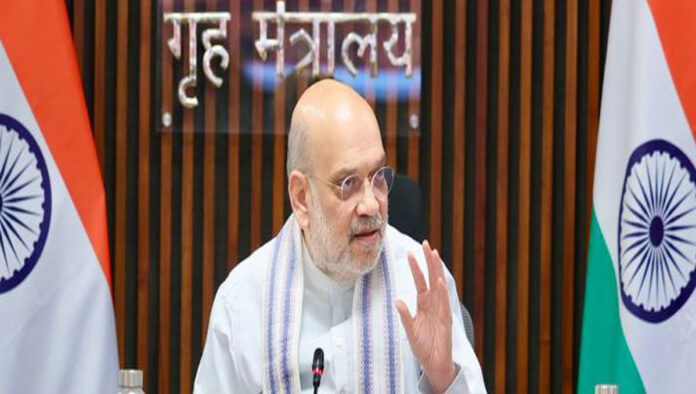
Amit Shah Border Visit plans have gained major attention as Union Home Minister Amit Shah is set to tour several strategically important border regions across Rajasthan, Gujarat, Tripura, and West Bengal in the coming days to review national security arrangements and anti-infiltration measures.
According to officials, the Home Minister’s visit will focus on strengthening border security infrastructure, preventing illegal infiltration from Bangladesh, curbing narcotics smuggling, and accelerating the implementation of advanced smart fencing systems along sensitive border stretches.
During the multi-state tour, Shah is expected to spend time with Border Security Force (BSF) personnel stationed at forward posts and conduct high-level review meetings with officials from the Ministry of Home Affairs, BSF leadership, and state administrations.
Government sources say the visit is aimed at assessing ground-level security challenges and preparing new strategies to improve surveillance and response systems in vulnerable border zones.
Amit Shah to Begin Border Tour From Rajasthan
The first phase of the Amit Shah Border Visit will begin in Bikaner, Rajasthan, where the Home Minister is scheduled to visit the Sanchu border outpost of the BSF’s 179th Battalion on May 26.
Officials said Shah will participate in a “Prahari Sammelan” interaction program with BSF personnel and review operational preparedness in the region. He is also expected to inaugurate newly developed women’s barracks through a digital launch event.
A high-level security meeting is also planned in Bikaner, where senior BSF officers, district magistrates, and police superintendents from border districts will discuss infiltration threats, smuggling networks, and security coordination challenges.
The government is reportedly placing special emphasis on improving security management in border villages and strengthening communication between central forces and local administrations.
Gujarat, Tripura and West Bengal Also on Shah’s Agenda
After Rajasthan, Amit Shah is scheduled to visit Bhuj in Gujarat on May 29, where he will inspect BSF border posts in the sensitive Harami Nala region.
The area is considered strategically important due to its challenging terrain and proximity to international maritime routes. Shah is expected to interact directly with BSF personnel deployed in remote border sectors and assess operational infrastructure.
In early June, the Home Minister is likely to travel to Tripura to review the India-Bangladesh border situation in the northeastern region. Officials say illegal infiltration and cross-border narcotics trafficking remain major security concerns in several northeastern states.
The visit may also include discussions related to West Bengal’s border areas, where fencing expansion and surveillance upgrades have become key focus areas for central security agencies.
Smart Fencing Project to Be Key Discussion Point
One of the major agendas during the Amit Shah Border Visit will be the progress of India’s smart fencing initiative aimed at modernizing border security through advanced technology.
The project involves the use of high-tech surveillance systems, motion sensors, thermal cameras, drones, and integrated monitoring networks to detect infiltration attempts in real time.
Officials say the smart fencing system is especially important in difficult terrains where traditional fencing is incomplete or operationally challenging.
Several border stretches in West Bengal and northeastern states are still awaiting full fencing coverage due to geographical and administrative challenges. According to reports, the West Bengal government has initiated land-related processes for fencing construction in certain areas.
Separate meetings between BSF officials and state authorities are expected to address pending infrastructure and land acquisition issues linked to border security projects.
Focus on Infiltration, Smuggling and Border Crime
Security agencies continue to face challenges involving illegal infiltration, arms smuggling, human trafficking, and narcotics trade across several border sectors.
Government officials say the Home Minister’s review meetings will focus on strengthening intelligence coordination, improving rapid response systems, and tightening surveillance along vulnerable routes frequently used by smuggling networks.
Border forces are also expected to discuss operational challenges faced by troops stationed in remote and difficult terrains, including infrastructure needs, communication systems, and welfare-related issues.
The government has increasingly emphasized the role of technology-driven border management as part of its broader national security strategy.
Government Aims to Boost BSF Morale
Another key objective of the Amit Shah Border Visit is to boost the morale of BSF personnel serving in demanding operational environments.
Officials said Shah will spend time at border posts interacting with jawans to better understand their concerns and working conditions. The government is also expected to review welfare schemes and infrastructure facilities available to security personnel in remote border areas.
Sources indicate that improving housing facilities, communication support, healthcare access, and operational resources for troops may feature prominently during the discussions.
Security experts believe the Home Minister’s direct engagement with frontline personnel sends an important message regarding the government’s focus on border security and national defense preparedness.
Why the Visit Is Strategically Important
The upcoming Amit Shah Border Visit is being viewed as strategically significant due to growing security concerns along multiple border regions.
Analysts say increasing cross-border infiltration attempts, organized smuggling operations, and evolving regional security dynamics have pushed border management higher on the national security agenda.
The review meetings and inspections may lead to major policy decisions related to border infrastructure, technology deployment, and inter-agency coordination in the coming months.
Officials believe stronger border surveillance systems and improved coordination between central and state authorities will play a critical role in addressing future security challenges.