ALLEN, Texas — May 13, 2026
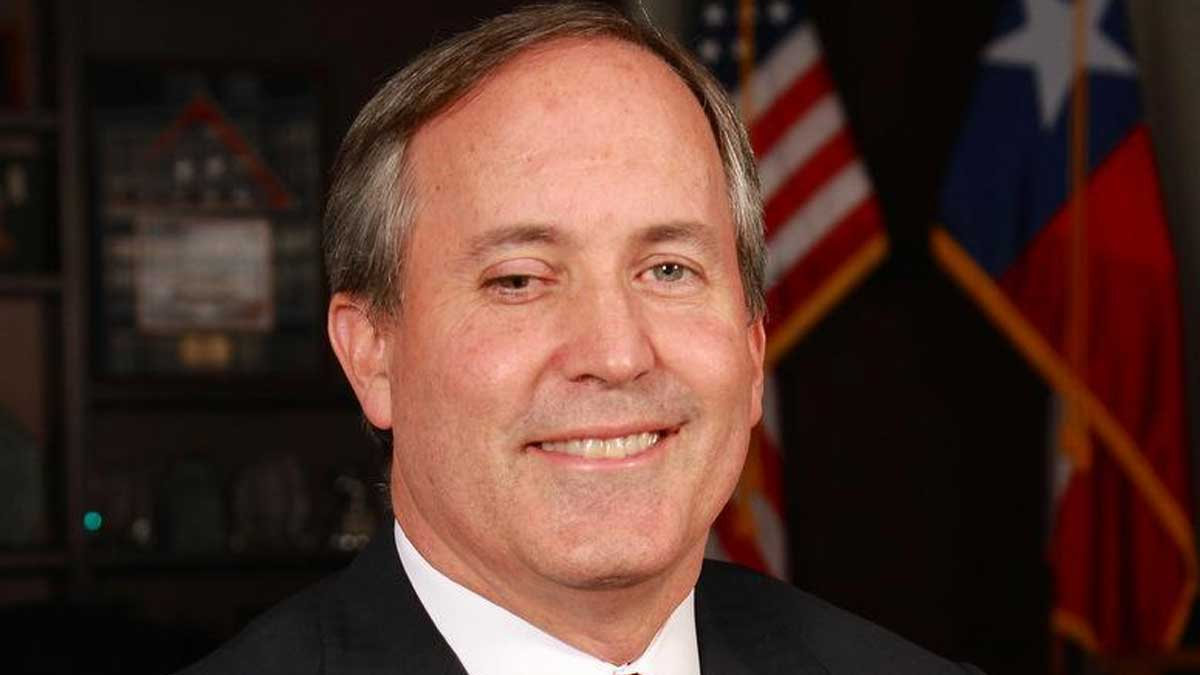
Texas Attorney General Ken Paxton has filed a lawsuit against a North Texas company and its Chinese owner, accusing them of operating allegedly fraudulent childcare and autism therapy businesses as part of a scheme to obtain H-1B visas under false pretenses.
The lawsuit, filed in Collin County, names Golden QI Holdings LLC and Chinese national Yuan Yao as defendants. Texas officials allege the businesses falsely advertised childcare and autism therapy services that either did not exist or were not legally licensed to operate in the state.
According to the complaint, the investigation emerged from a broader probe into alleged abuse of the H-1B visa program, which allows U.S. employers to temporarily hire foreign workers in specialty occupations such as technology, engineering, and finance.
Paxton said the case should serve as a warning to individuals and companies accused of exploiting the immigration system.
“This is a warning to anyone thinking about committing fraud within the H-1B visa program,” Paxton said in a statement released alongside the lawsuit. “I will continue fighting to ensure the H-1B program protects Americans’ interests and that those who abuse the system face the strongest penalties allowed under the law.”
The attorney general also said his office would continue efforts to prevent foreign nationals from illegally entering or remaining in the United States through fraudulent means.
Court filings allege that Yao owned and managed several Texas entities that presented themselves online as operating childcare facilities in Allen, Texas. One of the businesses, called “Allen Infant Care Center,” reportedly described itself online as a nurturing environment “where every child flourishes” and encouraged parents to visit the facility.
However, investigators and media reports cited in the lawsuit raised questions about whether the operation was functioning at all.
The complaint references reporting by Blaze Media journalist Sarah Gonzales, who allegedly visited the address listed for the childcare center and found what was described as an empty building and an overgrown playground. A person familiar with the property reportedly told Gonzales that the facility had been closed for an extended period and alleged that Yao “sells visas.”
State officials further claim that the businesses filed visa petitions with U.S. Citizenship and Immigration Services and the State Department for various professional positions, including software developers, supply chain analysts, software engineers, app developers, market research analysts, financial analysts, and business intelligence analysts.
Texas alleges that between 2024 and 2026, Golden QI Holdings submitted at least 20 labor condition applications connected to these roles. Authorities argue the filings were inconsistent with the nature of the alleged childcare operations promoted online.
The lawsuit also claims that neither Allen Infant Care Center nor another entity identified as DFW ABA Center possessed valid licenses to operate childcare facilities in Texas. State regulators further allege that neither Yao nor Golden QI Holdings held the required childcare licenses under Texas law.
Texas is seeking both temporary and permanent injunctions to halt the alleged operations. The state also wants the defendants barred from advertising childcare services and prohibited from sponsoring additional H-1B visas connected to the Allen address named in the complaint.
In addition to injunctive relief, Texas is pursuing civil penalties of up to $10,000 for each alleged violation of the Texas Deceptive Trade Practices Act, along with additional penalties under the Texas Human Resources Code.
The H-1B visa program has long been central to debates over immigration and employment policy in the United States. While major technology companies frequently rely on the program to recruit highly skilled workers from abroad, critics have argued that loopholes and weak oversight can leave the system vulnerable to misuse and fraudulent sponsorship schemes.
Federal immigration agencies have not publicly announced criminal charges related to the case as of Wednesday. The allegations outlined in the lawsuit remain accusations, and the defendants have not yet publicly responded in court filings.