Washington, D.C., United States — May 3, 2026
Tensions between the United States and Iran have escalated to a critical phase, with U.S. President Donald Trump stating that Washington now faces two stark choices: launch a broad military campaign or pursue a definitive diplomatic agreement.
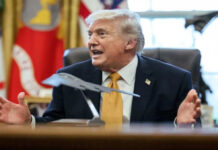
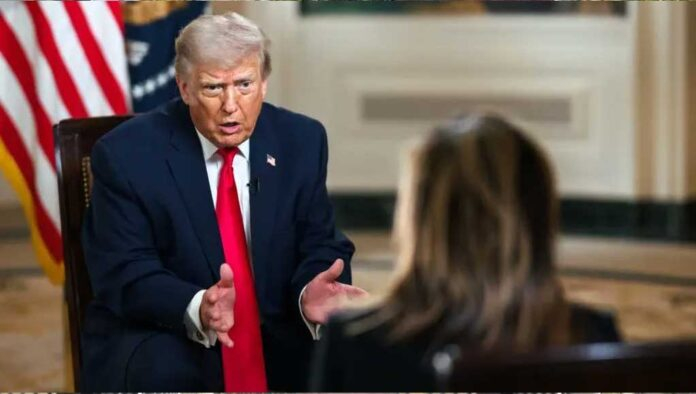
Speaking to reporters at the White House, Trump indicated a preference for a negotiated solution but warned that the latest proposal from Iran falls short of U.S. expectations.
“No Half Measures”: US Rejects Current Proposal
Citing high-level consultations with defense officials, Trump emphasized that the U.S. would not accept a temporary or incomplete deal that could trigger renewed conflict in the future.
The latest Iranian proposal, reportedly delivered via Pakistan through diplomatic channels in Islamabad, has been deemed “inadequate” by the administration.
The current standoff follows a fragile ceasefire that has been in place since April 8, after hostilities escalated following joint U.S. and Israeli strikes earlier this year.
Strait of Hormuz Emerges as Global Flashpoint
The crisis is having its most significant global impact in the Strait of Hormuz, a vital artery for global oil and gas shipments.
- Iran’s control over the region has disrupted energy flows
- The U.S. has responded by blockading Iranian ports
- Global markets are witnessing heightened oil and gas price volatility
Energy analysts warn that prolonged disruption in Hormuz could trigger wider economic consequences worldwide.
Core Dispute: Nuclear Program Remains Sticking Point
At the center of the deadlock is Washington’s demand that Iran fully halt its nuclear program, including uranium enrichment activities.
Iranian officials, however, have rejected these terms, stating they will not negotiate under pressure, further complicating efforts to reach a breakthrough.
Domestic Pressures Mount on Both Sides
Both nations are grappling with internal challenges:
- In the U.S., rising inflation and uncertainty around military engagement are increasing political pressure on the administration
- In Iran, inflation has reportedly surged beyond 50%, placing severe strain on its economy
Meanwhile, Washington has imposed fresh sanctions on three Iranian foreign exchange firms, intensifying economic pressure.
What Lies Ahead?
While the ceasefire technically remains in place, the diplomatic stalemate has created a climate of global uncertainty.
Policymakers and analysts are closely watching whether Washington and Tehran can avoid escalation and move toward a sustainable agreement—or risk sliding into a broader conflict with far-reaching consequences.