New York, United States — April 23, 2026
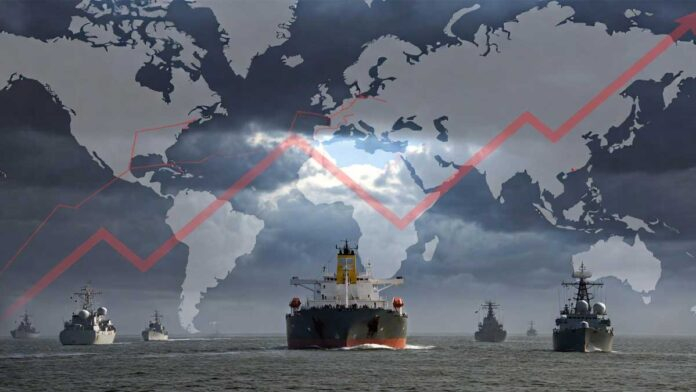
Global energy markets are under renewed pressure as oil prices climb above the $100 mark, driven by escalating tensions between Iran and the United States and concerns over potential disruptions in one of the world’s most critical oil transit routes.
Benchmark Brent Crude is currently trading near $101.81 per barrel, reflecting heightened geopolitical risk and tightening supply expectations.
Hormuz Strait Disruption Fears Fuel Price Surge
Analysts warn that rising tensions involving Iran and the United States could disrupt shipping through the Strait of Hormuz — a vital passage that handles a significant share of global oil trade.
Any closure or prolonged disruption of the strait could push oil prices sharply higher, with estimates suggesting a potential surge to $120–$140 per barrel.
Inflation Impact: US Rates Outlook Shifts
The ripple effects are already visible in the broader economy. Inflation in the United States has climbed to 3.3%, complicating expectations around monetary policy.
Economists now believe that the likelihood of near-term interest rate cuts has diminished, as policymakers may prioritize controlling inflation over stimulating growth.
India Faces Fuel Price Pressure
For India, rising global crude prices could translate into higher domestic fuel costs. Experts estimate that petrol and diesel prices may increase by ₹5–₹7 per liter if current trends persist.
Higher fuel costs could also have a cascading effect on transportation, logistics, and overall inflation in the country.
Global Outlook
Energy markets remain highly sensitive to geopolitical developments. Any escalation in Middle East tensions or supply disruptions could further tighten oil availability and push prices higher.
Market participants are closely monitoring diplomatic developments, shipping activity, and inventory data in the coming days.