Tehran/Washington | April 20, 2026
Global markets and geopolitical tensions intensified on Monday after the United States seized an Iranian-flagged cargo vessel in the strategically vital Strait of Hormuz, triggering sharp reactions from Iran and sending oil prices higher.
The incident has placed a fragile regional ceasefire under renewed strain, with analysts warning of a potential escalation that could disrupt global energy supplies.
Oil Prices Jump on Supply Fears
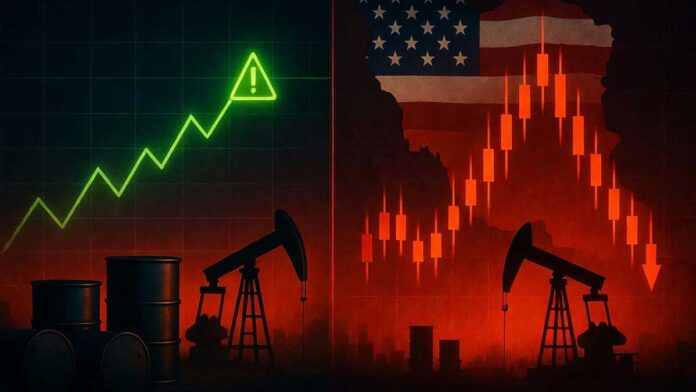
Oil prices surged soon after U.S. President Donald Trump publicly referenced the seizure, reinforcing concerns about disruptions in one of the world’s most critical oil transit routes.
The Strait of Hormuz carries a significant portion of global crude exports, making any instability in the region highly sensitive for energy markets.
Tehran Issues Retaliation Warning
Iranian authorities condemned the action as “armed piracy” and vowed retaliation. State-linked reports claimed that Iranian forces launched drone operations targeting American warships in the region, though these claims have not been independently verified.
The developments have heightened fears that the already fragile ceasefire could collapse, potentially reigniting broader hostilities in the Middle East.
Naval Confrontation Raises Stakes
U.S. military officials confirmed that a Navy destroyer was involved in intercepting the vessel, which allegedly attempted to defy a naval blockade. The confrontation marks one of the most serious direct encounters between the two nations in recent months.
Ceasefire and Diplomatic Talks in Doubt
The incident comes at a critical moment, with diplomatic efforts already facing obstacles. Reports indicate that Iran has declined participation in a proposed second round of talks in Pakistan, further complicating de-escalation efforts.
Experts warn that continued escalation could derail ongoing negotiations and destabilize the broader regional security framework.
Global Impact, India Watches Closely
The ripple effects are being felt worldwide. Rising oil prices are fueling concerns over inflation and economic stability, particularly in energy-importing countries such as India.
Financial markets have reacted cautiously, with volatility increasing amid uncertainty over the trajectory of the conflict.
What Comes Next
World leaders and analysts are closely monitoring the situation for signs of further escalation or diplomatic resolution. The coming days are likely to be critical in determining whether tensions subside or evolve into a wider regional conflict.