
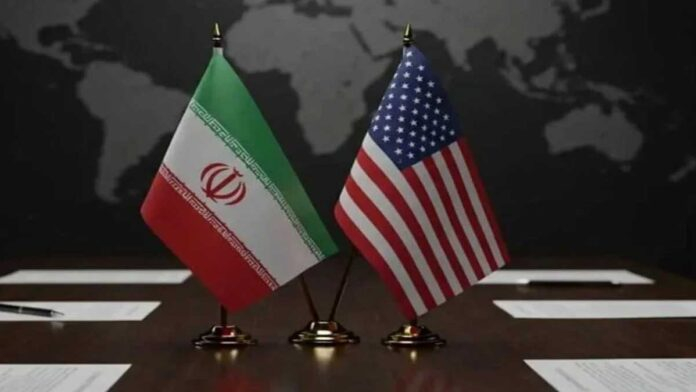
Tehran/Washington | April 20, 2026
Tensions between Iran and the United States escalated sharply after a U.S. naval operation targeted an Iranian-flagged cargo vessel in the strategically critical Strait of Hormuz, prompting strong retaliation warnings from Tehran.
According to the United States Central Command (CENTCOM), a U.S. Navy destroyer fired multiple rounds at the engine room of the vessel after it allegedly attempted to breach a naval blockade in the region.
Iran Condemns Action, Vows Response
Iranian officials condemned the incident as “armed piracy,” signaling potential retaliatory measures. Authorities also imposed additional restrictions in the Strait of Hormuz, a move that immediately impacted global energy markets.
Oil Prices Spike, Markets React
The escalation triggered a sharp rise in global oil prices, reflecting fears of supply disruption through one of the world’s most vital energy corridors. The Strait of Hormuz handles a significant share of global oil shipments, making it highly sensitive to geopolitical tensions.
Analysts warn that any prolonged disruption could drive fuel costs higher worldwide and affect economies dependent on Middle Eastern oil imports, including India.
Trump Signals Hardline Stance
In a video statement, U.S. President Donald Trump emphasized a tougher approach toward Iran, stating there would be “no more Mr. Nice guy” in future dealings.
His remarks come as a U.S. delegation is scheduled to hold talks in Islamabad, Pakistan, amid uncertainty over Iran’s participation and the approaching expiration of a fragile ceasefire.
Strategic Risks and Global Impact
Energy Secretary Chris Wright warned that the Strait of Hormuz is currently unsafe, highlighting the growing risks for commercial shipping and global energy supply chains.
Experts note that the incident could derail ongoing diplomatic efforts and intensify regional instability, particularly given existing tensions involving Iran, the U.S., and its allies.
Broader Implications
The latest development underscores the fragility of peace efforts in the region. Financial markets have already begun reacting, with rising oil prices and declining stock futures reflecting investor concerns.
If tensions escalate further, the impact could extend beyond energy markets—affecting global trade, inflation, and geopolitical stability.